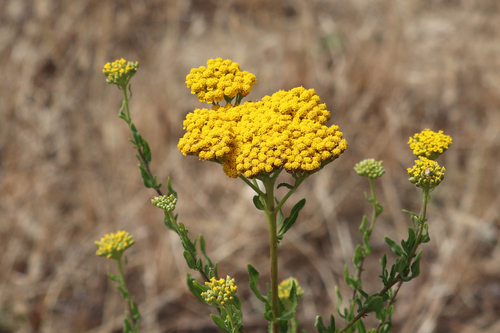
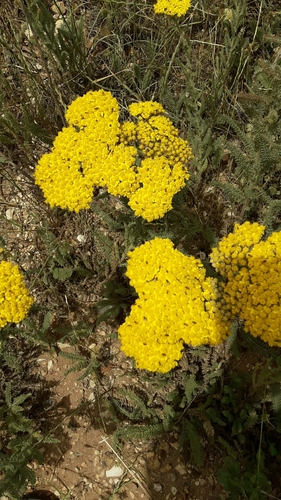
Aster cordifolius
L.
Common Blue Wood Aster

Michigan State University (MSC-)

Eastern Illinois University, Stover-Ebinger Herbarium (EIU-)

Michigan State University (MSC-)
What to Eat
Edible parts: Leaves
Leaves - cooked and used as greens.
Where to Find It
Eastern N. America - Nova Scotia and New Brunswick to Ontario, Minnesota, Georgia and Missouri.
NORTHERN AMERICA: Canada (Québec, Nova Scotia, Ontario, Prince Edward Island, New Brunswick, Manitoba), United States (Connecticut, Indiana, Maine, Massachusetts, Michigan, New Hampshire, New Jersey, New York, Ohio, Pennsylvania, Rhode Island, Vermont, West Virginia, Illinois, Iowa, Minnesota, Missouri, Nebraska, Oklahoma, South Dakota, Wisconsin, Alabama (northwest), Arkansas, Delaware, Georgia (north), Kentucky, Maryland, North Carolina, South Carolina, Tennessee, Virginia, District of Columbia)
How to Identify
Aster cordifolius is a PERENNIAL growing to 1.5 m (5ft) by 1 m (3ft 3in). See above for USDA hardiness. It is hardy to UK zone 3. It is in flower from September to October. The species is hermaphrodite (has both male and female organs) and is pollinated by Bees, flies, beetles, Lepidoptera (Moths & Butterflies). The plant is self-fertile. It is noted for attracting wildlife. Suitable for: light (sandy), medium (loamy) and heavy (clay) soils and prefers well-drained soil. Suitable pH: mildly acid, neutral and basic (mildly alkaline) soils. It cannot grow in the shade. It prefers moist soil.
How to Grow
Succeeds in most good garden soils, preferring one that is well-drained and moisture retentive. Prefers a sunny position. Prefers a rich soil. Plants can be naturalized in a woodland or other wild garden. Most species in this genus seem to be immune to the predations of rabbits. Hybridizes freely with other members of this genus.
Propagation: Seed - surface sow in spring in a cold frame. Do not allow the compost to become dry. Pre-chilling the seed for two weeks can improve germination rates. The seed usually germinates in 2 weeks at 20°c. When large enough to handle, prick the seedlings out into individual pots and plant them out in the summer. Division in spring or autumn. Basal cuttings in late spring. Harvest the shoots when they are about 10 - 15cm long with plenty of underground stem. Pot them up into individual pots and keep them in light shade in a cold frame or greenhouse until they are rooting well. Plant them out in the summer.
Medicinal Uses
Antirheumatic Aromatic NervineAn infusion of the plant is used as an aromatic nervine and also in the treatment of rheumatism.