Leontodon hispidus
L.
Rough Hawkbit, Bristly hawkbit

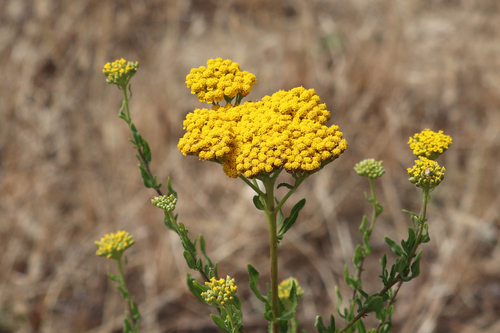
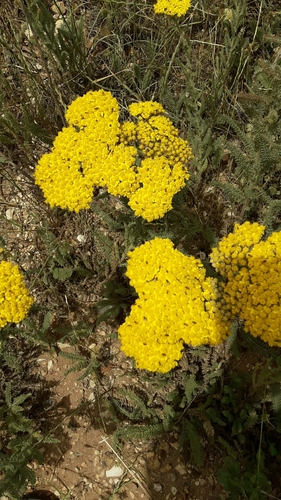
(c) Wolfgang Jauch, some rights reserved (CC BY), uploaded by Wolfgang Jauch

(c) Fornax, some rights reserved (CC BY)

(c) Wolfgang Jauch, some rights reserved (CC BY), uploaded by Wolfgang Jauch
What to Eat
Edible parts: Leaves
Coffee. Young leaves - raw or cooked. Neither the taste nor the texture are by any means wonderful, but the leaves are acceptable raw, particularly since they can be available in the late winter. The roasted root is a coffee substitute.
Where to Find It
Europe, including Britain, from Scandanavia south and east to Spain, the Caucasus and Iran.
TEMPERATE ASIA: Iran (north), Iraq (north), Turkey, Russian Federation-Ciscaucasia (Ciscaucasia), Armenia, Azerbaijan, Georgia, Russian Federation (Dagestan) EUROPE: Denmark, Finland, United Kingdom, Ireland, Norway, Sweden, Austria, Belgium, Switzerland, Czech Republic, Germany, Hungary, Netherlands, Poland, Russian Federation (European part), Belarus, Estonia, Lithuania, Latvia, Moldova, Ukraine (incl. Krym), Albania, Bulgaria, Bosnia and Herzegovina, Greece, Croatia, Italy (incl. Sicily), North Macedonia, Montenegro, Romania, Serbia, Slovenia, Spain, France, Portugal
How to Identify
Leontodon hispidus is a PERENNIAL growing to 0.5 m (1ft 8in). See above for USDA hardiness. It is hardy to UK zone 6. It is in flower from June to September, and the seeds ripen from July to September. The species is hermaphrodite (has both male and female organs) and is pollinated by Bees, flies, beetles, Lepidoptera (Moths & Butterflies). The plant is self-fertile. It is noted for attracting wildlife. Suitable for: light (sandy), medium (loamy) and heavy (clay) soils, prefers well-drained soil and can grow in heavy clay soil. Suitable pH: mildly acid, neutral and basic (mildly alkaline) soils. It cannot grow in the shade. It prefers moist soil.
How to Grow
An easily grown and tolerant plant, it prefers a sunny position in a well-drained soil and does well on clay. A good bee and butterfly plant, it grows well in the spring meadow.
Propagation: Seed - best sown as soon as it is ripe in situ, only just covering the seed. Very fast germination. The seed can also be sown in the spring. If you are short of seed it can be sown in a pot in the cold frame. When they are large enough to handle, prick the seedlings out into individual pots and plant them out in early summer.
Medicinal Uses
Diuretic. The herb is diuretic. An infusion is used in the treatment of kidney complaints and as a remedy for dropsy and jaundice.