Physalis wrightii
A.Gray.
Sharpleaf groundcherry
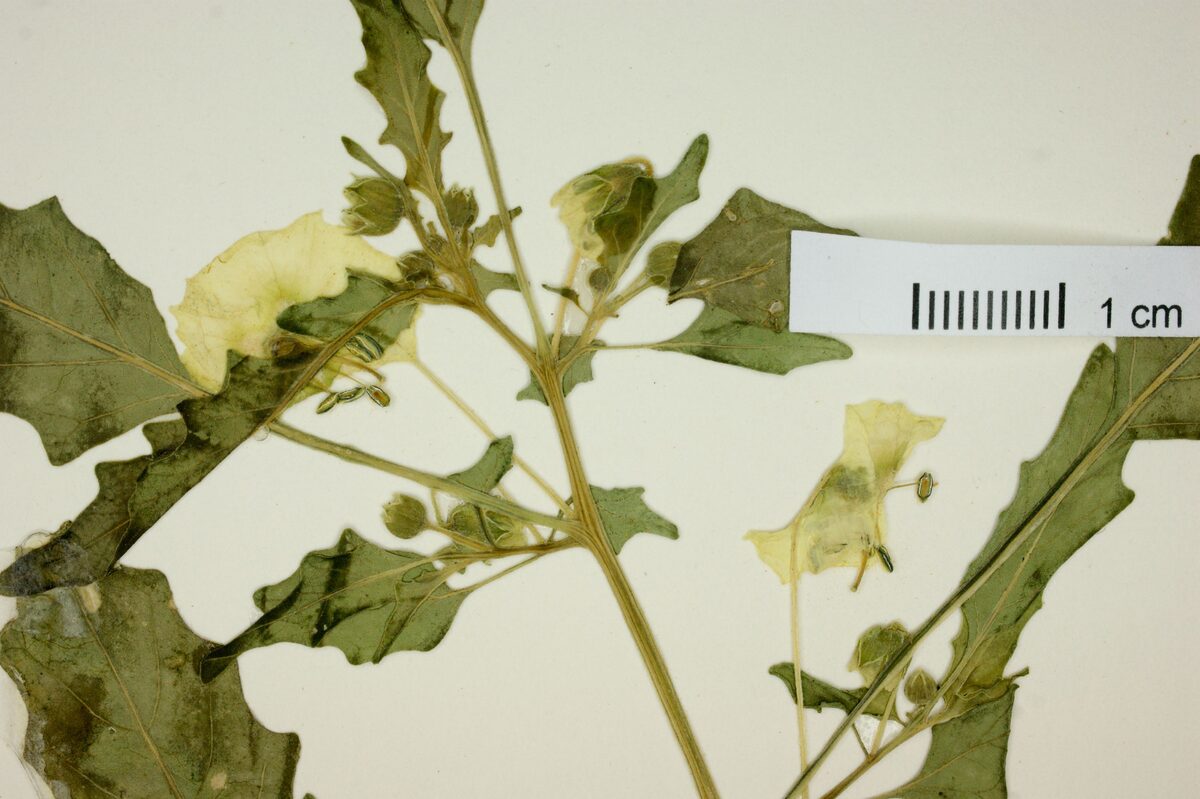
Arizona State University Vascular Plant Herbarium (ASU-Plants)

Arizona State University Vascular Plant Herbarium (ASU-Plants)

Arizona State University Vascular Plant Herbarium (ASU-Plants)
What to Eat
Edible parts: Fruit
Fruit - raw or cooked. The plant conveniently wraps up each fruit in its own 'paper bag' (botanically, the calyx) to protect it from pests and the elements. This calyx is toxic and should not be eaten.
Known Hazards
Where to Find It
South-western N. America - Arizona, California and W. Texas.
NORTHERN AMERICA: United States (New Mexico (south), Texas, Arizona (south), California (south)), Mexico (Baja, Chihuahua, Sinaloa, Sonora)
How to Identify
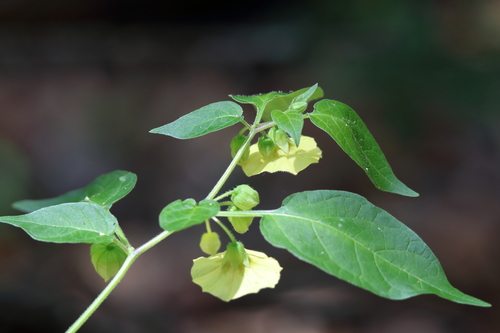
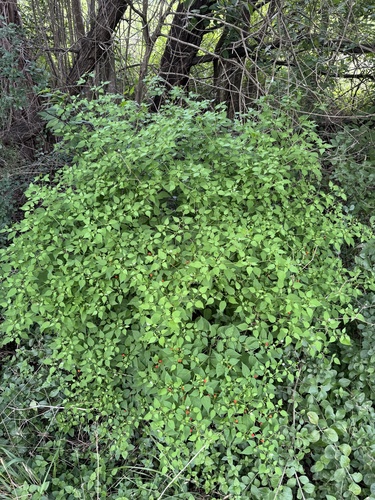
Physalis wrightii is a ANNUAL growing to 1 m (3ft 3in). It is frost tender. The species is hermaphrodite (has both male and female organs) and is pollinated by Insects. Suitable for: light (sandy), medium (loamy) and heavy (clay) soils and prefers well-drained soil. Suitable pH: mildly acid, neutral and basic (mildly alkaline) soils. It cannot grow in the shade. It prefers moist soil.
How to Grow
We have very little information on this species and do not know if it will be hardy in Britain, though it should be possible to treat it as a tender annual, sowing the seed in early spring in a warm greenhouse and planting out after the last expected frosts. The following notes are based on the general needs of the genus. Succeeds in any well-drained soil in full sun or light shade.
Propagation: Seed - sow March/April in a greenhouse only just covering the seed. Germination usually takes place quickly and freely. Prick out the seedlings into individual pots of fairly rich soil when they are large enough to handle and plant them out after the last expected frosts. Consider giving them some protection such as a cloche until they are growing away well. Diurnal temperature fluctuations assist germination.