Brachyglottis repanda
J.R.Forst.&G.Forst.
Bushman's Toilet Paper

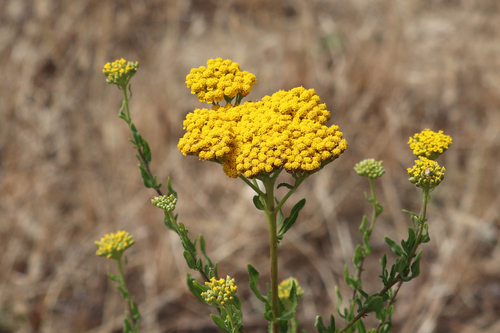
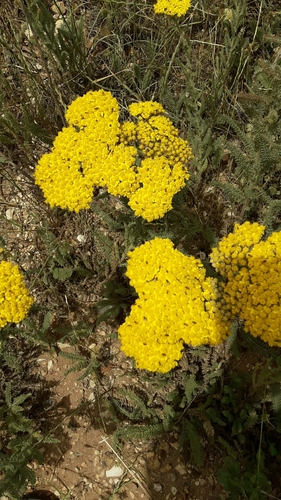
(c) fayzbearz, some rights reserved (CC BY-NC), uploaded by fayzbearz

(c) Cheryl, some rights reserved (CC BY-NC), uploaded by Cheryl

(c) Tony Rodd, some rights reserved (CC BY-NC-SA)
What to Eat
A gum is obtained from the plant and is used for chewing. It should not be swallowed, however, and in light of the warning on toxicity at the top of the page, perhaps it should not even be chewed.
Known Hazards
Where to Find It
New Zealand.
AUSTRALASIA: New Zealand (North Island, South Island)
How to Identify
Brachyglottis repanda is an evergreen Shrub growing to 6 m (19ft) by 6 m (19ft) at a slow rate. See above for USDA hardiness. It is hardy to UK zone 9 and is frost tender. It is in leaf all year, in flower from April to May. The species is hermaphrodite (has both male and female organs) and is pollinated by Insects. Suitable for: light (sandy), medium (loamy) and heavy (clay) soils and prefers well-drained soil. Suitable pH: mildly acid, neutral and basic (mildly alkaline) soils. It can grow in semi-shade (light woodland) or no shade. It prefers moist soil.
How to Grow
Requires a good well-drained loamy soil in a sunny position or partial shade. Plants are quite frost-tender and only succeed outdoors in Britain in the mildest areas of the country. Some named forms have been developed for their ornamental value. The flowers emit the sweet scent of mignonette, this is most pronounced at eventide.
Propagation: Seed - we have no information on this species but the seed is probably best sown on the surface of a freely draining compost in the greenhouse as soon as it is ripe. Stored seed can be surface sown in the greenhouse in early spring. Do not allow the compost to dry out. When they are large enough to handle, prick the seedlings out into individual pots and grow them on in the greenhouse for at least their first winter. Plant them out into their permanent positions in late spring or early summer, after the last expected frosts. Cuttings of half-ripe wood, July/August in a frame. Cuttings of mature wood of the current season's growth, November in a frame. Very easy.
Medicinal Uses
Antihalitosis MiscellanyA gum obtained from the plant is chewed to sweeten the breath.
Other Uses
Gum Miscellany. The plant has large sage-green leaves with a white, hairy underside. They are used as a substitute for toilet paper.