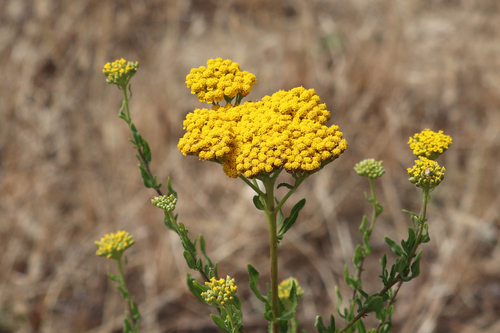
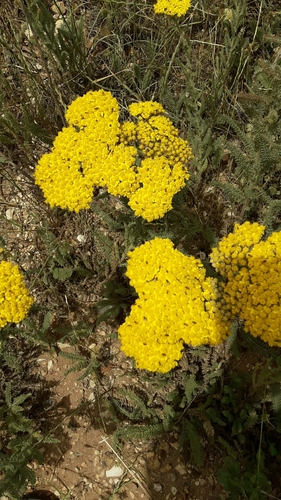
Ixeris polycephala
Cass.

(c) onidiras-iNaturalist, some rights reserved (CC BY-NC), uploaded by onidiras-iNaturalist
What to Eat
Edible parts: Leaves
Leaves and young stems - cooked.
Where to Find It
E. Asia - Himalayas to China, Japan and Korea.
TEMPERATE ASIA: Afghanistan, China, Japan (Honshu, Kyushu, Ryukyu Islands, Shikoku) TROPICAL ASIA: India (Sikkim, Assam, West Bengal), Nepal, Cambodia, Laos, Myanmar, Thailand, Vietnam
How to Identify
Ixeris polycephala is a BIENNIAL growing to 0.3 m (1ft). The species is hermaphrodite (has both male and female organs) and is pollinated by Insects. Suitable for: light (sandy), medium (loamy) and heavy (clay) soils. Suitable pH: mildly acid, neutral and basic (mildly alkaline) soils. It can grow in semi-shade (light woodland) or no shade. It prefers moist or wet soil.
How to Grow
We have very little information on this species and do not know if it will be hardy in this country, though judging by its native range it should succeed outdoors at least in the milder parts of the country. We suggest growing it in a sunny position and a moist or wet soil.
Propagation: Seed - we have no information on this species but suggest sowing the seed in a cold frame in spring and only just covering the seed. When they are large enough to handle, prick the seedlings out into individual pots and plant them out in the summer.
Medicinal Uses
Febrifuge Parasiticide. The juice of the plant is used in the treatment of fevers. A paste made from the flower heads is applied to the skin in the treatment of scabies.
Other Uses
Parasiticide. None known