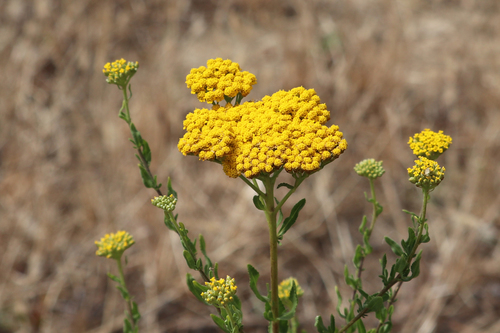
Leontopodium discolor
Beauverd.

(c) ramazan_murtazaliev, some rights reserved (CC BY-NC), uploaded by ramazan_murtazaliev
What to Eat
Edible parts: Leaves
Young leaves - cooked.
Where to Find It
E. Asia - S.E. China, Japan, Korea.
Coming Soon
How to Identify
Leontopodium discolor is a PERENNIAL growing to 0.2 m (0ft 8in). See above for USDA hardiness. It is hardy to UK zone 6. The species is hermaphrodite (has both male and female organs) and is pollinated by Insects. Suitable for: light (sandy) and medium (loamy) soils and prefers well-drained soil. Suitable pH: neutral and basic (mildly alkaline) soils. It cannot grow in the shade. It prefers moist soil.
How to Grow
Requires a position in full sun in a gritty perfectly-drained not too fertile circumneutral or alkaline soil. Some sort of shelter from prevailing (rain-bearing) winds should be given to the plant in areas with wet winters plus a collar of grit around the root to protect it from rotting.
Propagation: Seed - best sown as soon as it is ripe in a cold frame. Only just cover the seed. When they are large enough to handle, prick the seedlings out into individual pots and grow them on in the greenhouse for their first winter. Plant them out into their permanent positions in late spring or early summer, after the last expected frosts. Division.