Linnaea borealis
L.
Twinflower, Longtube twinflower

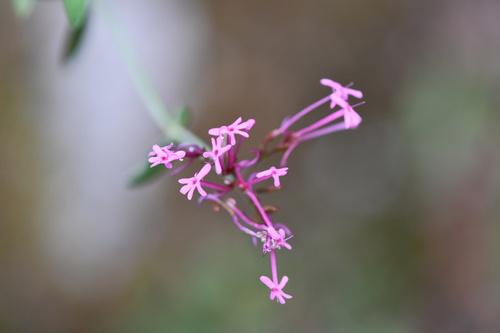
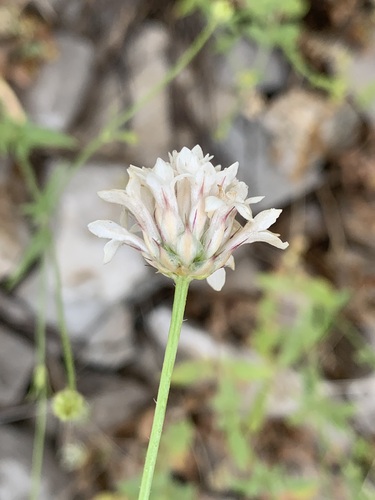
(c) Li Jianong, some rights reserved (CC BY-NC), uploaded by Li Jianong

(c) rachelmailhot, some rights reserved (CC BY-NC), uploaded by rachelmailhot

(c) Chris Johnson, some rights reserved (CC BY), uploaded by Chris Johnson
What to Eat
Edible parts: Leaves
A food plant. No more details are given.
Where to Find It
Northern Europe, including Britain, from Norway south and east to Germany, the Alps and N. Asia.
TEMPERATE ASIA: Georgia. NORTHERN AMERICA: Canada, Northwest Territories, Yukon, Québec, Nova Scotia, Ontario, Prince Edward Island, New Brunswick, Newfoundland and Labrador, Saskatchewan, Alberta, Manitoba, British Columbia, Nunavut, United States, Alaska, Connecticut, Indiana, Maine, Massachusetts, New Hampshire, New York, Rhode Island, West Virginia, Minnesota, North Dakota, South Dakota, Arkansas, New Mexico, Arizona, California, EUROPE: Denmark, Finland, United Kingdom (U.K.), Norway, Austria, Switzerland, Czech Republic, Germany, Netherlands, Poland, Latvia, Russian Federation, Karelia, Former Yugoslavia, Italy, Romania, France,
How to Identify
Linnaea borealis is an evergreen Shrub growing to 0.2 m (0ft 8in) by 1 m (3ft 3in). See above for USDA hardiness. It is hardy to UK zone 2. It is in leaf all year, in flower from May to August. The species is hermaphrodite (has both male and female organs) and is pollinated by Insects. Suitable for: light (sandy), medium (loamy) and heavy (clay) soils. Suitable pH: mildly acid soils and can grow in very acid soils. It can grow in full shade (deep woodland) or semi-shade (light woodland). It prefers moist soil.
How to Grow
Prefers a rather shaded position in a rock garden in a moist peaty soil. It grows well in pine woods. Requires an acid soil. Plants can be rather difficult to establish. The sub-species L. borealis americana grows more freely than the European form. The plant is polymorphic. The flowers have an evening fragrance like that of the honeysuckle. An evergreen. A clumping mat former. Forming a dense prostrate carpet spreading indefinitely.
Propagation: Seed - best sown as soon as it is ripe in the autumn in a cold frame. Sow stored seed as soon as possible, it is likely to require a period of cold stratification. When they are large enough to handle, prick the seedlings out into individual pots and grow them on in the greenhouse for their first winter. Plant them out into their permanent positions in late spring or early summer, after the last expected frosts. Division of rooted runners in the spring. Layering. Cuttings of half-ripe wood in the summer. They are rather slow to root.
Medicinal Uses
Poultice Women's complaints. The plant has been used as a tonic in pregnancy and also in the treatment of painful or difficult menstruation. The mashed plant is used as a poultice on inflamed limbs and is also applied to the head to ease the pain of headaches.
Other Uses
The plant forms an extensive twiggy mat and is useful as a ground cover on peat beds and in rock gardens. Plants form a dense carpet when growing in god conditions, rooting as they spread, but otherwise the cover is sparse. Plants should be spaced about 60cm apart each way.