Lonicera henryi
Hemsl.

GBIF

GBIF

GBIF
What to Eat
Edible parts: Flowers, Leaves, Stem
Edible flowers, leaves and stems. No further details are given, but some caution is advised because this genus contains a number of mildly toxic plants.
Where to Find It
E. Asia - China from W. Hubei to W. Sichuan.
TEMPERATE ASIA: China (Anhui Sheng (south), Fujian Sheng, Gansu Sheng (southeast), Guangdong Sheng, Guangxi Zhuangzu Zizhiqu, Guizhou Sheng (west), Hubei Sheng, Hunan Sheng (northwest), Jiangxi Sheng, Shaanxi Sheng (south), Sichuan Sheng, Xizang Zizhiqu, Yunnan Sheng, Zhejiang Sheng), Taiwan TROPICAL ASIA: Bhutan, India (Sikkim, West Bengal (north)), Nepal, Myanmar, Malaysia, Philippines
How to Identify
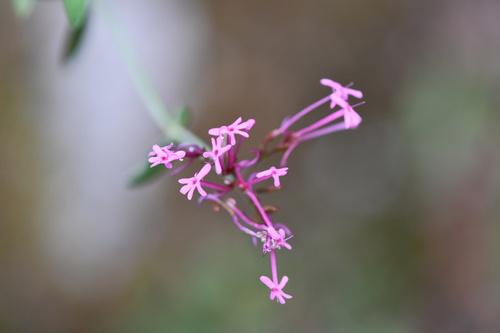
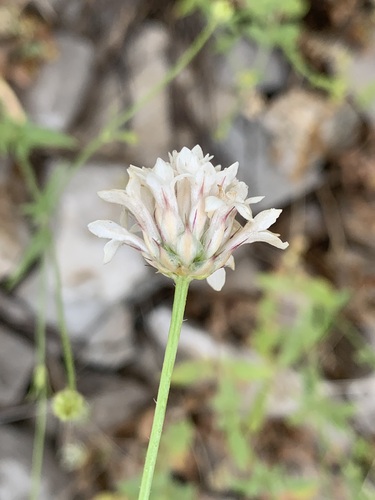
Lonicera henryi is an evergreen Climber growing to 6 m (19ft 8in). See above for USDA hardiness. It is hardy to UK zone 4. It is in leaf all year, in flower from June to July. The species is hermaphrodite (has both male and female organs) and is pollinated by Insects. Suitable for: light (sandy), medium (loamy) and heavy (clay) soils. Suitable pH: mildly acid, neutral and basic (mildly alkaline) soils. It can grow in semi-shade (light woodland) or no shade. It prefers moist soil.
How to Grow
Prefers a good moist soil with its roots in the shade and its top growing up into the light. Plants are hardy to about -20°c. A vigorous climber, supporting itself by twining around other plants. Any pruning is best carried out in the spring.
Propagation: Seed - best sown as soon as it is ripe in a cold frame. Stored seed requires 2 months cold stratification and should be sown as soon as possible in a cold frame. When they are large enough to handle, prick the seedlings out into individual pots and grow them on in the greenhouse for at least their first winter. Plant them out into their permanent positions in late spring or early summer, after the last expected frosts. Cuttings of half-ripe wood, 7 - 10cm with or without a heel, July/August in a frame. Good percentage. Cuttings of mature wood of the current season's growth, 15 - 20cm with or without a heel, November in a cold frame. Good percentage. Layering in autumn.
Medicinal Uses
Miscellany. The plant is used medicinally in China, but the report gives no more details.
Other Uses
MiscellanyA very vigorous climbing plant, it makes a good dense ground cover plant where it has the space to run along the ground, but it will swamp smaller plants.