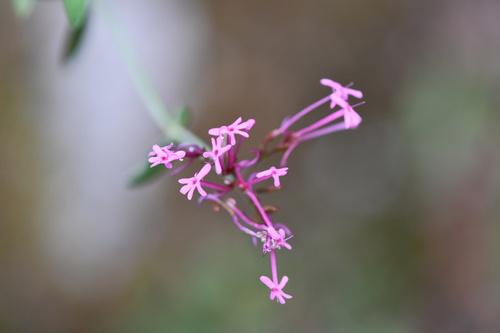
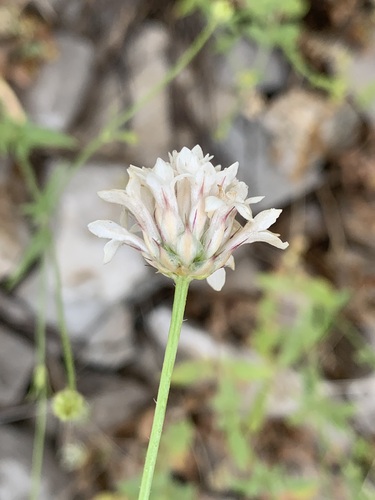
Lonicera morrowii
A.Gray.
Morrow's honeysuckle

(c) Fluff Berger, some rights reserved (CC BY-SA), uploaded by Fluff Berger

(c) Isfugl, some rights reserved (CC BY-NC-SA)

(c) Sara Rall, some rights reserved (CC BY-NC), uploaded by Sara Rall
What to Eat
Edible parts: Fruit
Fruit - raw. There is a question mark as to whether this fruit might be poisonous, or perhaps cathartic and emetic. The fruit is about 7mm in diameter.
Known Hazards
Where to Find It
E. Asia - Japan.
TEMPERATE ASIA: China (Heilongjiang Sheng, Liaoning Sheng), Japan (Hokkaidô (southwest), Honshu), Korea, South (Gyeongsangbuk-do (Ulleung-do))
How to Identify
Lonicera morrowii is a deciduous Shrub growing to 2 m (6ft) by 3 m (9ft). See above for USDA hardiness. It is hardy to UK zone 3. It is in flower from May to June. The species is hermaphrodite (has both male and female organs) and is pollinated by Insects. Suitable for: light (sandy), medium (loamy) and heavy (clay) soils. Suitable pH: mildly acid, neutral and basic (mildly alkaline) soils. It cannot grow in the shade. It prefers moist soil.
How to Grow
An easily grown plant, succeeding in any fertile soil, and preferring a good moist soil in a sunny position. There is at least one named variety, developed for its ornamental value. 'Guldperle' is from Denmark and has yellow berries.
Propagation: Seed - best sown as soon as it is ripe in a cold frame. Stored seed requires 2 months cold stratification and should be sown as soon as possible in a cold frame. When they are large enough to handle, prick the seedlings out into individual pots and grow them on in the greenhouse for at least their first winter. Plant them out into their permanent positions in late spring or early summer, after the last expected frosts. Cuttings of half-ripe wood, 7 - 10cm with or without a heel, July/August in a frame. Good percentage. Cuttings of mature wood of the current season's growth, 15 - 20cm with or without a heel, November in a cold frame. Good percentage. Layering in autumn.
Medicinal Uses
Cathartic Emetic. The fruit is cathartic and emetic.