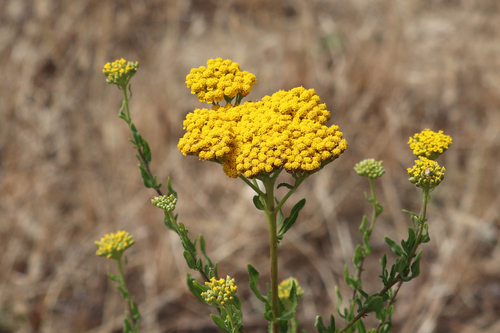
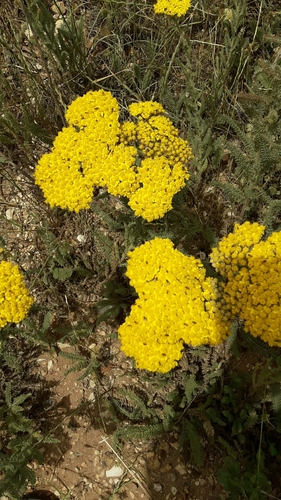
Gnaphalium hypoleucum
DC.

(c) kenhe, some rights reserved (CC BY-NC)

(c) JODY HSIEH, some rights reserved (CC BY-NC)
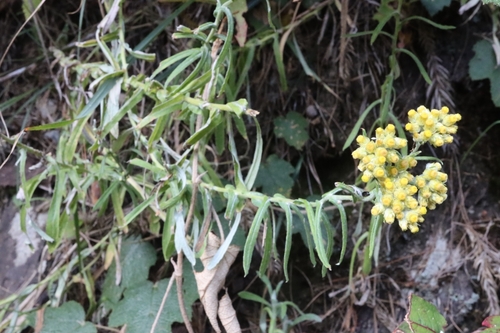
(c) sandy-huiping, some rights reserved (CC BY-NC)
What to Eat
Edible parts: Leaves
Young leaves are edible cooked.
Where to Find It
It is a temperate plant.
Asia, Bhutan, China, Himalayas, Japan, Pakistan,
How to Identify
An annual herb reaching 0.6 m (2 ft) tall with hermaphroditic flowers pollinated by insects. Grows in light sandy, medium loamy, and heavy clay soils with good drainage. Tolerates mildly acidic, neutral, and basic soils. Requires full sun and prefers moist conditions.
How to Grow
We have very little information on this species but it should succeed as a spring-sown annual in Britain. The following notes are based on the general needs of the genus. Requires a well-drained soil in a sunny position.
Propagation: Sow seed in late spring directly in situ, covering only just barely.
Medicinal Uses
A paste of the plant is applied in the treatment of coughs and backaches, both internally and externally on affected parts.
Other Uses
None known
Wikipedia
Source ↗An annual herb reaching 0.6 m (2 ft) tall with hermaphroditic flowers pollinated by insects. Grows in light sandy, medium loamy, and heavy clay soils with good drainage. Tolerates mildly acidic, neutral, and basic soils. Requires full sun and prefers moist conditions.
Notes
There are about 200 Gnaphalium species.
References (1)
- Plants for a Future database, The Field, Penpol, Lostwithiel, Cornwall, PL22 0NG, UK. http://www.scs.leeds.ac.uk/pfaf/