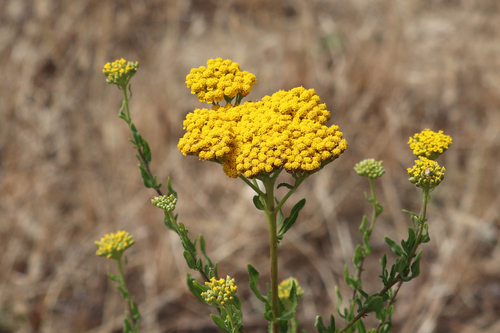
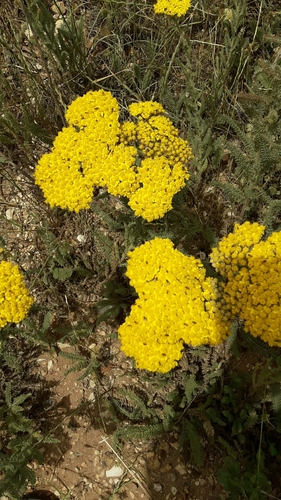
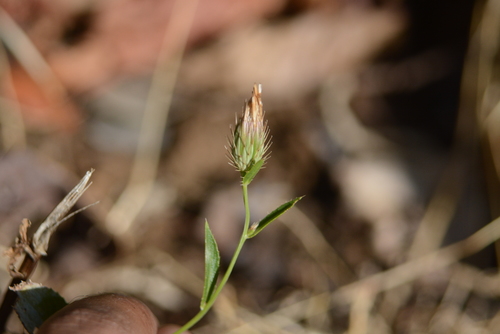
Goniocaulon indicum
C. B. Clarke
AsteraceaeLeaves
iNaturalist · cc0
no rights reserved, uploaded by S.MORE
no rights reserved, uploaded by S.MORE

wikimedia · cc0
Wikimedia Commons - S.MORE
Wikimedia Commons - S.MORE
What to Eat
Edible parts: Leaves
The leaves are boiled with water and mixed with salt and chili.
Where to Find It
A tropical plant. It grows near Mumbai.
Africa, Asia, East Africa, Ethiopia, India, Pakistan,
Countries: United Arab Emirates, Afghanistan, Armenia, Angola, Azerbaijan, Bangladesh, Burkina Faso, Bahrain, Burundi, Benin, Brunei, Bhutan, Botswana, Congo (DRC), Central African Republic, Congo (Republic), Cote d'Ivoire, Cameroon, China, Cape Verde, Djibouti, Algeria, Egypt, Eritrea, Ethiopia, Gabon, Georgia, Ghana, Gambia, Guinea, Equatorial Guinea, Guinea-Bissau, Indonesia, Israel, India, Iraq, Iran, Jordan, Japan, Kenya, Kyrgyzstan, Cambodia, Comoros, North Korea, South Korea, Kuwait, Kazakhstan, Laos, Lebanon, Sri Lanka, Liberia, Lesotho, Libya, Morocco, Madagascar, Mali, Myanmar, Mongolia, Mauritania, Mauritius, Maldives, Malawi, Malaysia, Mozambique, Namibia, Niger, Nigeria, Nepal, Oman, Philippines, Pakistan, Qatar, Rwanda, Saudi Arabia, Seychelles, Sudan, Singapore, Sierra Leone, Senegal, Somalia, South Sudan, Sao Tome & Principe, Syria, Eswatini, Chad, Togo, Thailand, Tajikistan, Timor-Leste, Turkmenistan, Tunisia, Turkey, Taiwan, Tanzania, Uganda, Uzbekistan, Vietnam, Yemen, South Africa, Zambia, Zimbabwe
How to Identify
An herb in the daisy family (Asteraceae) found in tropical regions near Mumbai. The leaves are used in traditional cooking.
Notes
There is only one Goniocaulon species.
Names & Synonyms
Kat kasmud, Kurmad
Amberboa indica (Klein ex Willd.) DC.Athanasia indica Roxb.Goniocaulon glabrum Cass.Serratula indica Klein ex Willd.Tricholepis indica (Willd.) S. M. Almeidaand others
References (2)
- GAMMIE (As Goniocaulon glabrum)
- Patil, M. V. & Patil, D. A., 2000, Some More Wild Edible Plants of Nasik District (Maharashtra). Ancient Science of Life Vol. X1X (3&4): 102-104 (As Tricholepis indica)