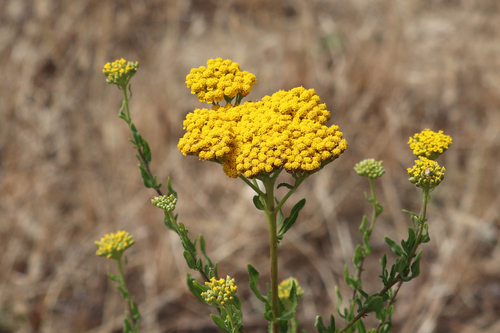
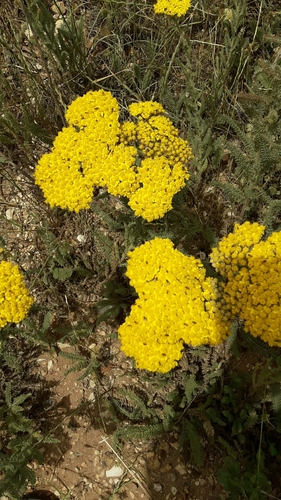
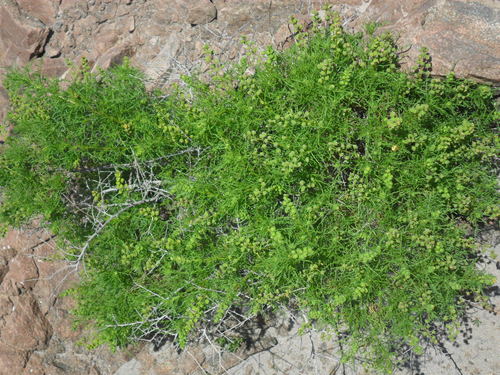
Ambrosia artemisioides
Meyen et Walp.
Cadillo

iNaturalist · cc-by-nc
(c) danplant, some rights reserved (CC BY-NC), uploaded by danplant
(c) danplant, some rights reserved (CC BY-NC), uploaded by danplant
iNaturalist · cc-by-nc
(c) danplant, some rights reserved (CC BY-NC), uploaded by danplant
(c) danplant, some rights reserved (CC BY-NC), uploaded by danplant

iNaturalist · cc-by-nc
(c) rociosanchez, some rights reserved (CC BY-NC)
(c) rociosanchez, some rights reserved (CC BY-NC)
What to Eat
Edible parts: Leaves, Seeds
The leaves are used as flavoring, and an oil is extracted from the seeds.
Known Hazards
Where to Find It
It is a subtropical plant.
Chile, South America,
How to Identify
An herb in the Asteraceae family found in subtropical regions. The leaves and seeds are both edible parts of the plant.
Notes
Many plants in this genus cause hay fever and asthma.
References (2)
- Aldunate, C. et al, 1983, Ethnobotany of pre-Altiplanic Community in the Andes of Northern Chile. Economic Botany 37( ) p 120-134
- Kiple, K.F. & Ornelas, K.C., (eds), 2000, The Cambridge World History of Food. CUP p 1842