Pectis papposa
Harv. & Gray
Chinchweed
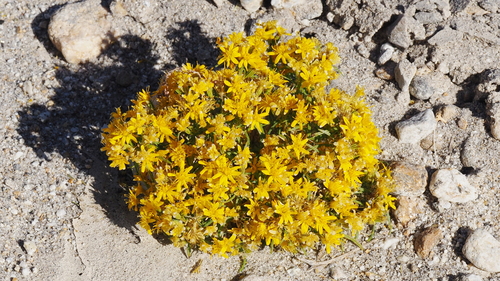
(c) Fred Melgert / Carla Hoegen, some rights reserved (CC BY-NC), uploaded by Fred Melgert / Carla Hoegen

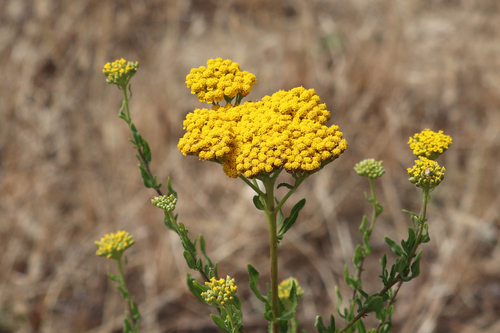
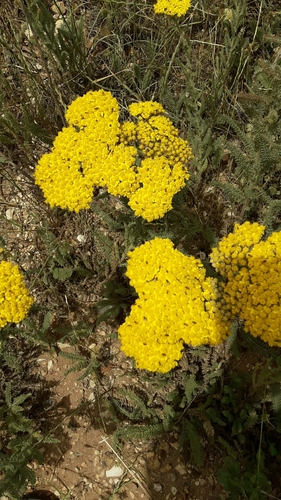
(c) Marianne Skov Jensen, some rights reserved (CC BY-NC), uploaded by Marianne Skov Jensen

(c) Corey Lange, some rights reserved (CC BY-NC), uploaded by Corey Lange
What to Eat
Edible parts: Seeds, Leaves, Flowers - seasoning
The flowers are used as a condiment. Seeds can be parched and ground into a powder, then used as a thickener and flavouring in soups, or mixed with water to make a mush or porridge. Leaves can be eaten raw or cooked — Native American Indians would dip them in salty water and eat them as a condiment alongside mush or cornmeal.
Where to Find It
It is a subtropical plant.
Central America, Mexico, North America, USA,
How to Identify
An annual herb reaching 0.3 m tall and frost-tender. Hermaphroditic and insect-pollinated. Grows in light sandy or medium loamy soils with good drainage, tolerating mildly acidic through mildly alkaline pH. Requires full sun and adapts to dry or moist soil.
How to Grow
We have very little information on this species. It is not frost-hardy but can be grown outdoors in Britain as a half-hardy annual and probably requires a dry to moist light or medium well-drained soil in a sunny position.
Propagation: Sow seed in spring in a greenhouse. When seedlings are large enough to handle, prick them out into individual pots and plant out after the last expected frosts. If sufficient seed is available, an outdoor sowing in situ in mid to late spring is worth trying.
Medicinal Uses
The plant is carminative and laxative. An infusion of the blossoms has been used as eye drops in the treatment of snow blindness.
Other Uses
None known.
Wikipedia
Source ↗Pectis papposa is a North American species of flowering plant in the family Asteraceae. Common names include cinchweed, common chinchweed, many-bristle chinchweed, and many-bristle fetid-marigold.
Names & Synonyms
Many bristle cinchweed