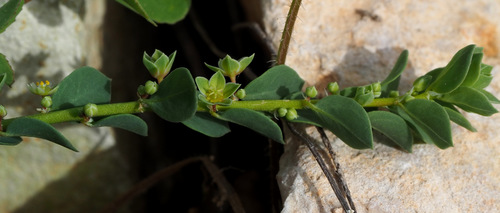
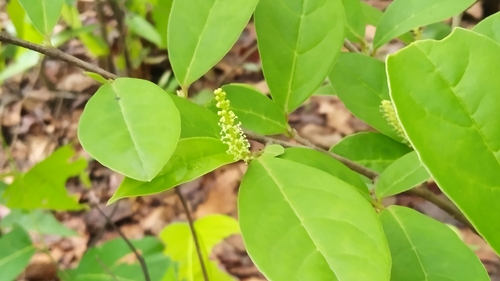
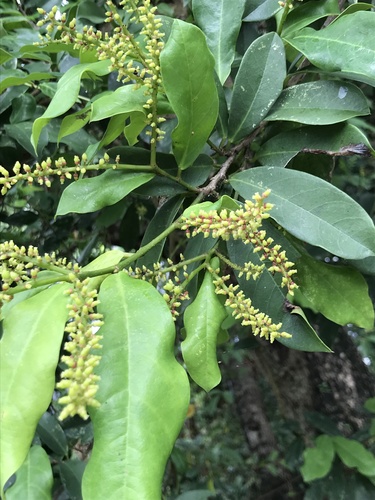
Antidesma coriaceum
Tulasme
PhyllanthaceaeFruit

iNaturalist · cc-by-nc-sa
(c) 106611639464075912591, some rights reserved (CC BY-NC-SA), uploaded by 106611639464075912591
(c) 106611639464075912591, some rights reserved (CC BY-NC-SA), uploaded by 106611639464075912591
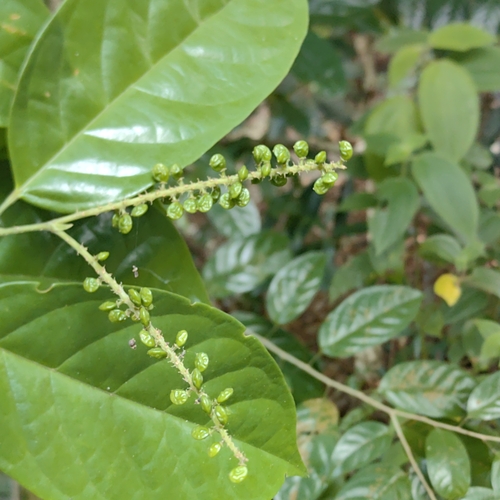
iNaturalist · cc-by-nc
(c) HP Lim, some rights reserved (CC BY-NC)
(c) HP Lim, some rights reserved (CC BY-NC)
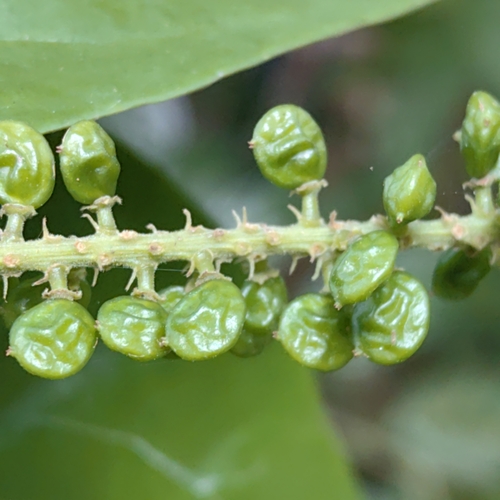
iNaturalist · cc-by-nc
(c) HP Lim, some rights reserved (CC BY-NC)
(c) HP Lim, some rights reserved (CC BY-NC)
What to Eat
Edible parts: Fruit
The fruit are eaten fresh; they are sour and sweet.
Where to Find It
A tropical plant. It grows below 800 m altitude. It grows in swamps.
Asia, Brunei, China, Indochina, Indonesia, Laos, Malaysia, SE Asia, Thailand, Vietnam,
Countries: United Arab Emirates, Afghanistan, Armenia, Azerbaijan, Bangladesh, Bahrain, Brunei, Bhutan, China, Georgia, Indonesia, Israel, India, Iraq, Iran, Jordan, Japan, Kyrgyzstan, Cambodia, North Korea, South Korea, Kuwait, Kazakhstan, Laos, Lebanon, Sri Lanka, Myanmar, Mongolia, Maldives, Malaysia, Nepal, Oman, Philippines, Pakistan, Qatar, Saudi Arabia, Singapore, Syria, Thailand, Tajikistan, Timor-Leste, Turkmenistan, Turkey, Taiwan, Uzbekistan, Vietnam, Yemen
How to Identify
A medium sized tree 15-20 m high. The trunk is 25 cm across. The leaves are alternate and simple. The flowers are 2 mm across. They are white to yellow. The fruit are 5 mm long and red. They are fleshy.
Medicinal Uses
The fruit have traditional uses.
Notes
There are about 100-170 Antidesma species.
Names & Synonyms
Choi moi la da, Chon mon, Beras-beras hitam, Kayu maya punai, Mempunai, Medang paya
Antidesma cordatum Airy ShawAntidesma fallax Mull.Arg.Antidesma griffithii Hook.f.Antidesma nitens Pax. & K. Hoffm.Antidesma pachyphyllum Merr.
References (3)
- Burkill, I.H., 1966, A Dictionary of the Economic Products of the Malay Peninsula. Ministry of Agriculture and Cooperatives, Kuala Lumpur, Malaysia. Vol 1 (A-H) p 186
- Forest Inventory and Planning Institute, 1996, Vietnam Forest Trees. Agriculture Publishing House p 183
- Slik, F., www.asianplant.net