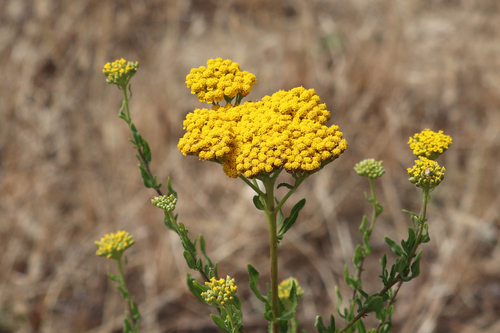
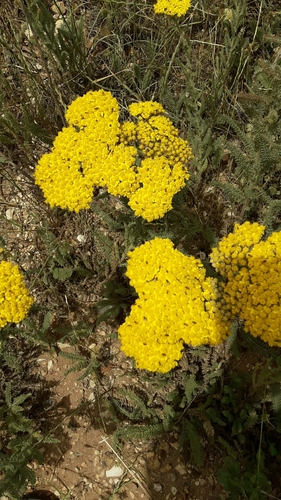
Senecio tuberosus
Schultz-Bip. ex A. Rich
AsteraceaeRoots

iNaturalist · cc-by-sa
(c) Tony Rebelo, some rights reserved (CC BY-SA)
(c) Tony Rebelo, some rights reserved (CC BY-SA)

iNaturalist · cc-by-sa
(c) Tony Rebelo, some rights reserved (CC BY-SA)
(c) Tony Rebelo, some rights reserved (CC BY-SA)

iNaturalist · cc-by-sa
(c) Tony Rebelo, some rights reserved (CC BY-SA)
(c) Tony Rebelo, some rights reserved (CC BY-SA)
What to Eat
Edible parts: Tubers, Root
The root tubers are cooked and eaten as a vegetable.
Where to Find It
A tropical plant. It can grow in arid places.
Africa, Sudan,
Countries: Angola, Burkina Faso, Burundi, Benin, Botswana, Congo (DRC), Central African Republic, Congo (Republic), Cote d'Ivoire, Cameroon, Cape Verde, Djibouti, Algeria, Egypt, Eritrea, Ethiopia, Gabon, Ghana, Gambia, Guinea, Equatorial Guinea, Guinea-Bissau, Kenya, Comoros, Liberia, Lesotho, Libya, Morocco, Madagascar, Mali, Mauritania, Mauritius, Malawi, Mozambique, Namibia, Niger, Nigeria, Rwanda, Seychelles, Sudan, Sierra Leone, Senegal, Somalia, South Sudan, Sao Tome & Principe, Eswatini, Chad, Togo, Tunisia, Tanzania, Uganda, South Africa, Zambia, Zimbabwe
How to Identify
A tropical herb in the daisy family (Asteraceae) with edible root tubers. It grows in arid regions and is one of over 1000 Senecio species.
Notes
There are over 1000 Senecio species.
References (2)
- Jardin, C., 1970, List of Foods Used In Africa, FAO Nutrition Information Document Series No 2.p 100
- Royal Botanic Gardens, Kew (1999). Survey of Economic Plants for Arid and Semi-Arid Lands (SEPASAL) database. Published on the Internet; http://www.rbgkew.org.uk/ceb/sepasal/internet [Accessed 14th April 2011]