Serratula tinctoria
L.
Saw-wort, Dyer's Plumeless Sawwort

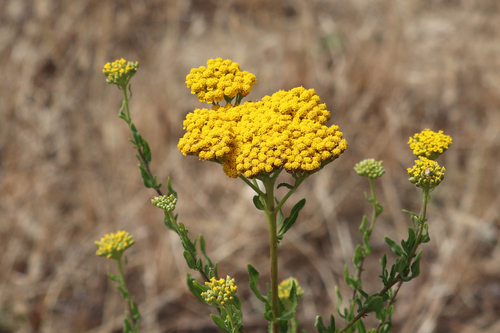
(c) Inge Biller, some rights reserved (CC BY-NC), uploaded by Inge Biller
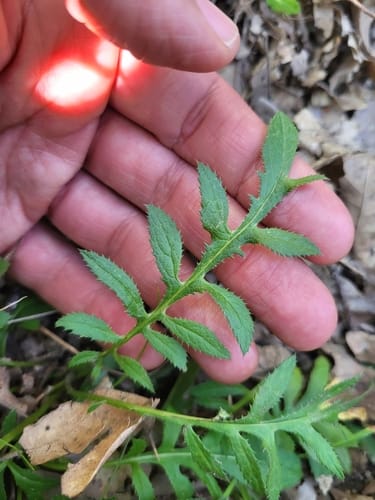
(c) Daniel Gaona Carrilero, some rights reserved (CC BY-NC)

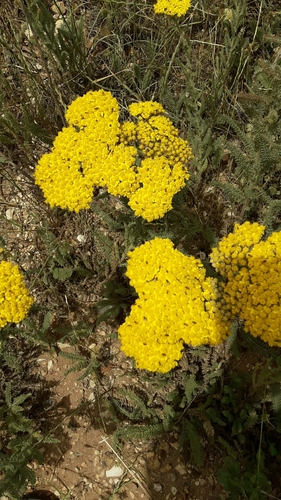
(c) lastovka, some rights reserved (CC BY-NC)
What to Eat
Edible parts: Leaves
Young leaves and possibly flower buds can be harvested and eaten cooked. This use was reported under Hemistepta lyrata, which is cited in the same source as a synonym for this species.
Where to Find It
It is a temperate plant.
Britain, Europe, Luxembourg, Romania, Slovenia,
How to Identify
A perennial herb growing to 1 m tall, hardy to UK zone 6. Flowers appear July to September with seed ripening August to September. The plant is dioecious, requiring both male and female plants for seed production, and is pollinated by flies and bees. Adapts to light sandy, medium loamy, and heavy clay soils, including very alkaline types, with mildly acid to basic pH. Grows in semi-shade or open conditions and prefers moist, well-drained soil.
How to Grow
Succeeds in any well drained soil in a sunny position. Suitable for the wild flower garden where it may naturalize.
Propagation: Sow seed in spring in a greenhouse, barely covering it, and ensure the compost does not dry out. Prick out seedlings into individual pots when large enough to handle and plant out in early summer if sufficiently developed; otherwise overwinter in a greenhouse or cold frame and plant out the following year after the last expected frosts. For division in spring, larger portions can go directly into permanent positions, while smaller divisions are best potted up and grown on in a lightly shaded cold frame until well established, then planted out in summer.
Medicinal Uses
The plant is astringent and vulnerary.
Other Uses
A fine, highly durable yellow dye is obtained from the juice of the plant.
Wikipedia
Source ↗Serratula tinctoria, commonly known as dyer's plumeless saw-wort or saw-wort, is a species of flowering plant in the family Asteraceae.
Names & Synonyms
Barvilna mačina
References (3)
- http://www.botanic-gardens-ljubljana.com/en/plants
- Jack, M., Wild Foods and Medicines of Forest Garden Transylvania. http://www.forestgardentransylvania.org/ p40
- Plants for a Future database, The Field, Penpol, Lostwithiel, Cornwall, PL22 0NG, UK. http://www.scs.leeds.ac.uk/pfaf/