Silybum eburneum
Coss. & Durieu
Elephant thistle
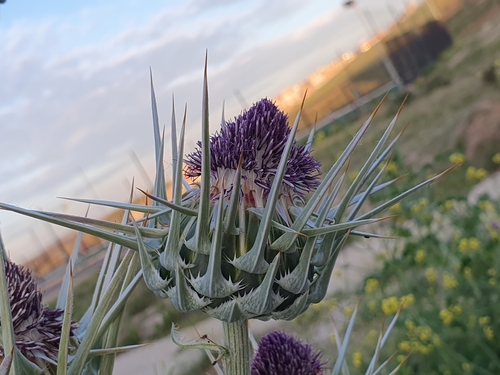
iNaturalist · cc-by
(c) Mehdi Chetibi, some rights reserved (CC BY), uploaded by Mehdi Chetibi
(c) Mehdi Chetibi, some rights reserved (CC BY), uploaded by Mehdi Chetibi
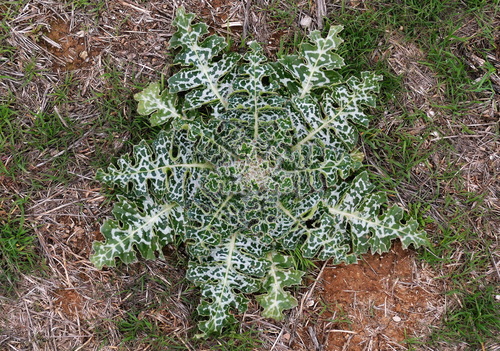
iNaturalist · cc-by-nc
(c) José María, some rights reserved (CC BY-NC), uploaded by José María
(c) José María, some rights reserved (CC BY-NC), uploaded by José María

iNaturalist · cc-by-nc
(c) gullnik, some rights reserved (CC BY-NC)
(c) gullnik, some rights reserved (CC BY-NC)
What to Eat
Edible parts: Leaves, Stalk, Seeds
The leaves and stalks are cooked and eaten, and the seeds are also edible.
Where to Find It
It is a Mediterranean climate plant.
Africa, Mediterranean, North Africa, Tunisia,
Countries: Albania, Angola, Bosnia & Herzegovina, Burkina Faso, Burundi, Benin, Botswana, Congo (DRC), Central African Republic, Congo (Republic), Cote d'Ivoire, Cameroon, Cape Verde, Cyprus, Djibouti, Algeria, Egypt, Eritrea, Spain, Ethiopia, France, Gabon, Ghana, Gambia, Guinea, Equatorial Guinea, Greece, Guinea-Bissau, Croatia, Israel, Italy, Kenya, Comoros, Lebanon, Liberia, Lesotho, Libya, Morocco, Monaco, Montenegro, Madagascar, Mali, Mauritania, Malta, Mauritius, Malawi, Mozambique, Namibia, Niger, Nigeria, Rwanda, Seychelles, Sudan, Slovenia, Sierra Leone, Senegal, Somalia, South Sudan, Sao Tome & Principe, Syria, Eswatini, Chad, Togo, Tunisia, Turkey, Tanzania, Uganda, South Africa, Zambia, Zimbabwe
How to Identify
An annual herb in the daisy family with edible leaves, stalks, and seeds. Native to Mediterranean climates, it grows as a typical thistle with divided foliage.
Notes
There are 2 Silybum species.
References (4)
- Bull. Soc. Bot. France 2:366. 1855
- Dop, M. C., et al, 2019, Identification and frequency of consumption of wild edible plants over a year in central Tunisia: a mixed-methods approach. Public Health Nutrition: 23(5), 782–794
- Jardin, C., 1970, List of Foods Used In Africa, FAO Nutrition Information Document Series No 2.p 101
- Rivera, D. et al, 2006, Gathered Mediterranean Food Plants - Ethnobotanical Investigations and Historical Development, in Heinrich M, Müller WE, Galli C (eds): Local Mediterranean Food Plants and Nutraceuticals. Forum Nutr. Basel, Karger, 2006, vol 59, pp 18–74