Solanum ochranthum
Dunal
Zimbalo
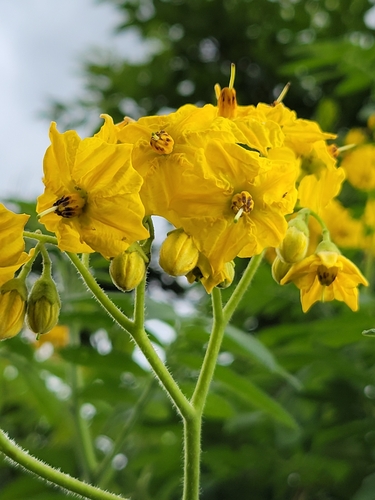
iNaturalist · cc-by-nc
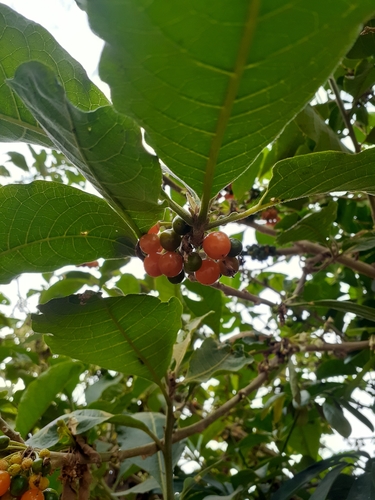
(c) Hugo Romero-Saltos, some rights reserved (CC BY-NC), uploaded by Hugo Romero-Saltos
(c) Hugo Romero-Saltos, some rights reserved (CC BY-NC), uploaded by Hugo Romero-Saltos

iNaturalist · cc-by
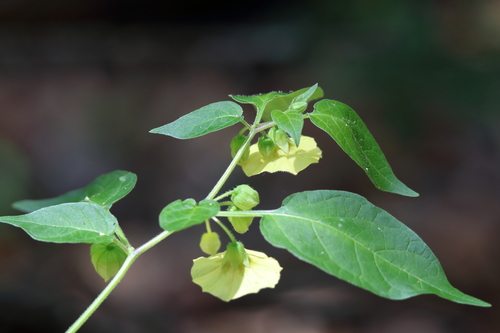
(c) Paúl Gonzáles, some rights reserved (CC BY), uploaded by Paúl Gonzáles
(c) Paúl Gonzáles, some rights reserved (CC BY), uploaded by Paúl Gonzáles
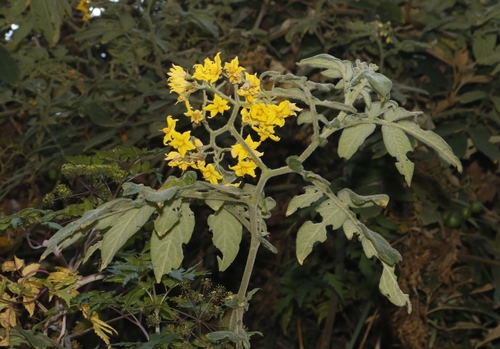
iNaturalist · cc-by-nc
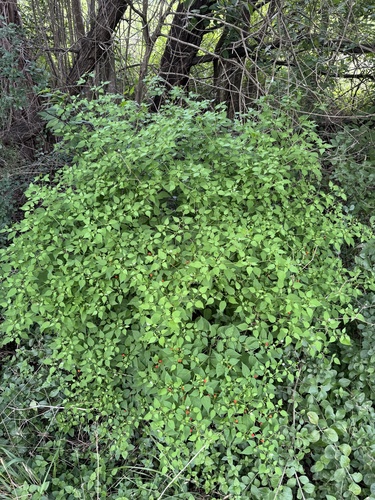
(c) Rodrigo Rijalba, some rights reserved (CC BY-NC), uploaded by Rodrigo Rijalba
(c) Rodrigo Rijalba, some rights reserved (CC BY-NC), uploaded by Rodrigo Rijalba
What to Eat
Edible parts: Fruit, Caution
The fruit are eaten.
Known Hazards
Where to Find It
A tropical plant. It grows in mountain forests between 1,900-4,100 m above sea level.
Columbia, Ecuador, Peru, South America,
How to Identify
A large woody vine. It grows 8-10 m long. It climbs over other plants. The stems are 6-8 cm across at the base. The leaves are compound and 13-35 cm long and 11-20 cm wide. There are 3-5 pairs of leaflets. The flowering shoots are 8-20 cm long and branched many times. The fruit are 2-5 cm wide, The fruit have a thick woody coat.
Notes
There are about 1400 Solanum species.
References (2)
- Joyal, E., 1987, Ethnobotanical Field Notes from Ecuador: Camp, Prieto, Jorgensen, and Giler. Economic Botany 41(2): 163-189
- Solan. syn. 6. 1816