Solanum tetrandrum
R. Br.
Mulkmulk
iNaturalist · cc-by-nc
(c) amouly, some rights reserved (CC BY-NC)
(c) amouly, some rights reserved (CC BY-NC)

iNaturalist · cc-by-nc
(c) Nicolas Rinck, some rights reserved (CC BY-NC)
(c) Nicolas Rinck, some rights reserved (CC BY-NC)

iNaturalist · cc-by-nc
(c) Nicolas Rinck, some rights reserved (CC BY-NC)
(c) Nicolas Rinck, some rights reserved (CC BY-NC)
What to Eat
Edible parts: Fruit
The fruit are eaten when red and ripe.
Known Hazards
Where to Find It
A tropical plant. It grows naturally in monsoon vine forests.
Australia, New Caledonia, Pacific, Papua New Guinea, PNG,
Countries: Australia, Fiji, Micronesia, Kiribati, Marshall Islands, New Caledonia, Nauru, New Zealand, Papua New Guinea, Palau, Solomon Islands, Tonga, Tuvalu, Vanuatu, Samoa
How to Identify
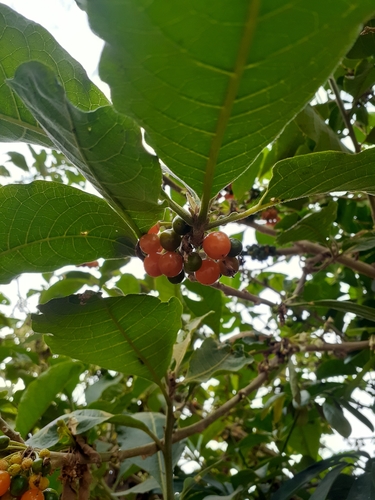
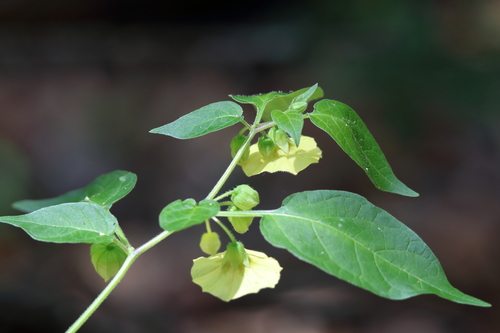
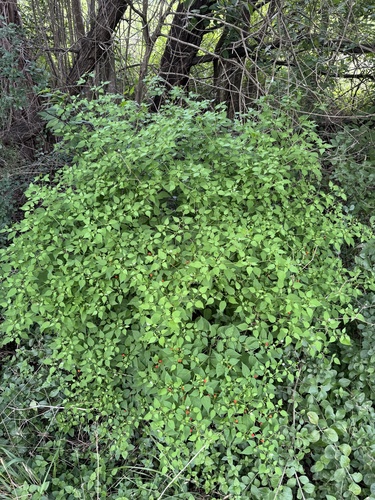
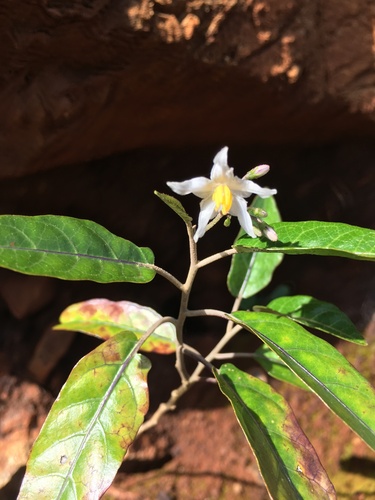
A small shrub. It grows 3 m tall. The leaves are grey-green and hairy. They are 6-12 cm long by 3-7 cm wide. There are hairs of the leaf surfaces. The flowers are 12-17 mm across. The fruit are round and 6-8 mm across. There are many seeds.
Notes
There are about 1400 Solanum species. It is an unresolved name in The Plant List.
Names & Synonyms
Solanum tetrandrum var. floribundum Benth.
References (2)
- Borrell, O.W., 1989, An Annotated Checklist of the Flora of Kairiru Island, New Guinea. Marcellin College, Victoria Australia. p 138
- Yunupinu Banjgul, Laklak Yunupinu-Marika, et al. 1995, Rirratjinu Ethnobotany: Aboriginal Plant Use from Yirrkala, Arnhem Land, Australia. Northern Territory Botanical Bulletin No 21. Parks and Wildlife Commission of the Northern Territory. p 70.