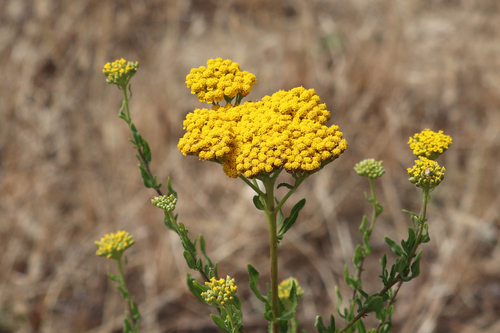
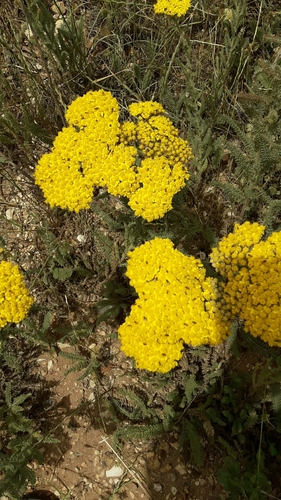
Sonchus maritimus
L.
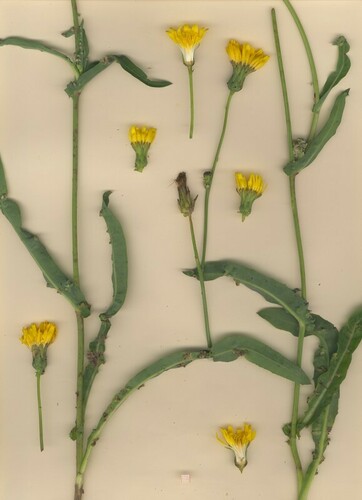
iNaturalist · cc-by-nc
(c) jltasset, some rights reserved (CC BY-NC), uploaded by jltasset
(c) jltasset, some rights reserved (CC BY-NC), uploaded by jltasset
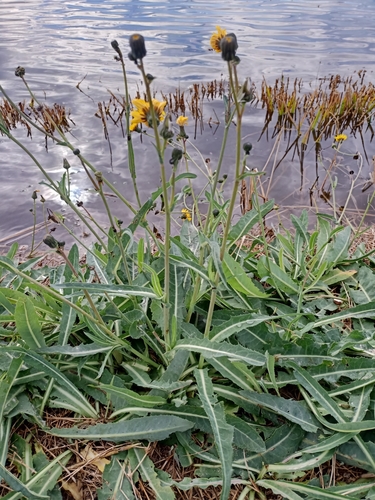
iNaturalist · cc-by-nc
(c) Ali Casiraghi, some rights reserved (CC BY-NC), uploaded by Ali Casiraghi
(c) Ali Casiraghi, some rights reserved (CC BY-NC), uploaded by Ali Casiraghi

iNaturalist · cc-by-nc
(c) jmneiva, some rights reserved (CC BY-NC), uploaded by jmneiva
(c) jmneiva, some rights reserved (CC BY-NC), uploaded by jmneiva
What to Eat
Edible parts: Rhizome, Root, Leaves
The shoots are used in fish-based soups. The rhizomes, roots, and leaves are edible.
Where to Find It
It is a Mediterranean climate plant. It grows on damp salty soils. It is mostly close to the coast.
Africa, Central Asia, Europe, France, Greece, Italy, Mediterranean, New Zealand, North Africa, Portugal, Spain, Tajikistan, Yugoslavia,
Countries: Andorra, Albania, Angola, Austria, Bosnia & Herzegovina, Belgium, Burkina Faso, Bulgaria, Burundi, Benin, Botswana, Belarus, Congo (DRC), Central African Republic, Congo (Republic), Switzerland, Cote d'Ivoire, Cameroon, Cape Verde, Cyprus, Czechia, Germany, Djibouti, Denmark, Algeria, Estonia, Egypt, Eritrea, Spain, Ethiopia, Finland, France, Gabon, United Kingdom, Ghana, Gambia, Guinea, Equatorial Guinea, Greece, Guinea-Bissau, Croatia, Hungary, Ireland, Israel, Iceland, Italy, Kenya, Kyrgyzstan, Comoros, Kazakhstan, Lebanon, Liechtenstein, Liberia, Lesotho, Lithuania, Luxembourg, Latvia, Libya, Morocco, Monaco, Moldova, Montenegro, Madagascar, North Macedonia, Mali, Mauritania, Malta, Mauritius, Malawi, Mozambique, Namibia, Niger, Nigeria, Netherlands, Norway, Poland, Portugal, Romania, Serbia, Russia, Rwanda, Seychelles, Sudan, Sweden, Slovenia, Slovakia, Sierra Leone, San Marino, Senegal, Somalia, South Sudan, Sao Tome & Principe, Syria, Eswatini, Chad, Togo, Tajikistan, Turkmenistan, Tunisia, Turkey, Tanzania, Ukraine, Uganda, Uzbekistan, South Africa, Zambia, Zimbabwe
How to Identify
A herb. It has rhizomes and keeps growing from year to year. It has greyish leaves in broad, flat rings. The leaves are oblong and narrow. They may or may not be divided into leaflets. They have teeth. The upper leaves clasp the stem. The flowers are yellow. The flower stalks are stout.
Notes
There are about 60 Sonchus species.
Names & Synonyms
Lattuquedde
Sonchus littoralis Rchb.
References (5)
- Biscotti, N. & Pieroni, A., 2015, The hidden Mediterranean diet: wild vegetables traditionally gathered and consumed in the Gargano area, Apulia, SE Italy. Acta Societatis Botanicorum Poloniae 84 (3): 327-338
- Biscotti, N. et al, 2018, The traditional food use of wild vegetables in Apulia (Italy) in the light of Italian ethnobotanical literature. Italian Botanist 5:1-24
- Blamey, M and Grey-Wilson, C., 2005, Wild flowers of the Mediterranean. A & C Black London. p 466
- Jardin, C., 1970, List of Foods Used In Africa, FAO Nutrition Information Document Series No 2.p 104
- Skinner, G. & Brown, 1981, C., Simply Living. A gatherer's guide to New Zealand's fields, forests and shores. Reed. p 23 (As Sonchus littoralis)