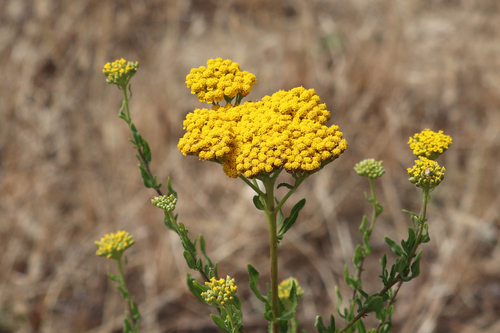
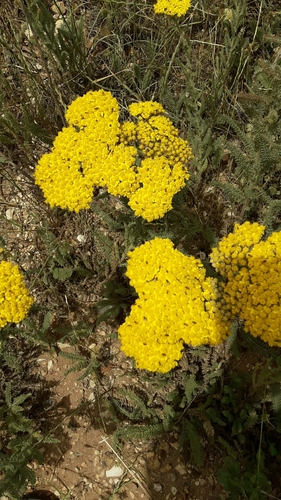
Acmella alba
(Lam.) A.H. Moore

(c) Diego Almendras G., some rights reserved (CC BY-NC), uploaded by Diego Almendras G.

(c) Diego Almendras G., some rights reserved (CC BY-NC), uploaded by Diego Almendras G.
What to Eat
Edible parts: Leaves
Leaves - raw or cooked. Little eaten in the Americas, though it is used culinarily in Madagascar where it is cultivated and naturalized.
Where to Find It
A tropical plant. In Java it grows from the lowlands to 1,200 m above sea level.
Africa, Asia, Bolivia, Brazil, Ecuador, Indonesia, Madagascar, Mexico, Peru, SE Asia, South America, Tropical America,
How to Identify
A shrub or small tree. It grows 5 m tall. There are prickles along the stem. The leaves are twice divided and there are 8-18 pairs of pinnae. There are up to 50 pairs of pinnules on each pinnae. The flowers are yellow. They are in large clusters at the ends of branches. The pods are flattened.
How to Grow
The plant appears to have some toleance to salt in the soil.
Medicinal Uses
The flower head is placed in the cavity of the decayed tooth as a means of relieving toothache. The flowers are used to treat various conditions. The plant is disinfectant. An infusion of the mature leaves and flowers, used fresh and usually combined with other herbs, is taken internally and applied topically in the treatment of conditions including tooth decay, hepatic pain, and to speed the healing of wounds. The plant (part not specified) is used as a dentifrice.
Wikipedia
Source ↗Acmella alba is a species of plant belonging to the family Asteraceae. Common names include brede mafane, spilanthes, tingflower, toothache plant, electric daisy, and buzz buttons. The flowers and leaves contain spilanthol, a local anesthetic.
Names & Synonyms
Djotang
References (4)
- Kermath, B. M., et al, 2014, Food Plants in the Americas: A survey of the domesticated, cultivated and wild plants used for Human food in North, Central and South America and the Caribbean. On line draft. p 17
- Martin, F.W. & Ruberte, R.M., 1979, Edible Leaves of the Tropics. Antillian College Press, Mayaguez, Puerto Rico. p 186 (As Spilanthes ocymifolia)
- Ochse, J.J. et al, 1931, Vegetables of the Dutch East Indies. Asher reprint. p 148 (As Spilanthes ocymifolia)
- Terra, G.J.A., 1973, Tropical Vegetables. Communication 54e Royal Tropical Institute, Amsterdam, p 76 (As Spilanthes ocymifolia)