Synurus excelsus
(Makino) Kitam.
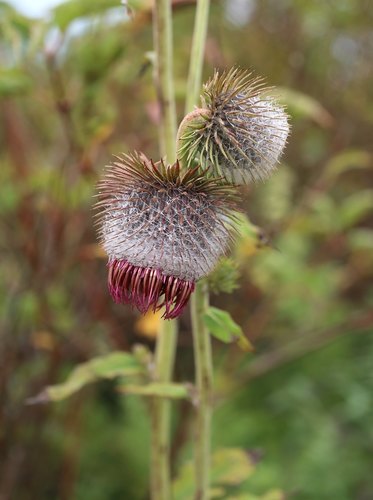
(c) 空猫 T. N, some rights reserved (CC BY-NC), uploaded by 空猫 T. N

(c) 空猫 T. N, some rights reserved (CC BY-NC)
What to Eat
Edible parts: Leaves
Young leaves are eaten cooked.
Where to Find It
It is a temperate plant.
Asia, Japan, Korea,
How to Identify
Synurus excelsus is a perennial herb reaching 1.8 m (6 ft) tall. It flowers from September to October with hermaphrodite blooms pollinated by insects. The plant thrives in light sandy, medium loamy, or heavy clay soils with good drainage, tolerating mildly acidic to mildly alkaline pH. It requires full sun and prefers consistently moist soil.
How to Grow
Propagation: No specific information is available for this species, but sowing seed in a cold frame in spring is recommended. Surface sow or barely cover the seed, keeping the compost consistently moist. Once seedlings are large enough to handle, prick them out into individual pots and grow on in a greenhouse through their first winter. Plant out into permanent positions in late spring or early summer, after the last expected frosts. Division can also be carried out in spring.
Medicinal Uses
None known
Other Uses
None known
Wikipedia
Synurus excelsus is a perennial herb reaching 1.8 m (6 ft) tall. It flowers from September to October with hermaphrodite blooms pollinated by insects. The plant thrives in light sandy, medium loamy, or heavy clay soils with good drainage, tolerating mildly acidic to mildly alkaline pH. It requires full sun and prefers consistently moist soil.
Names & Synonyms
References (1)
- Plants for a Future database, The Field, Penpol, Lostwithiel, Cornwall, PL22 0NG, UK. http://www.scs.leeds.ac.uk/pfaf/