Uapaca ferruginea
Baill.
PhyllanthaceaeFruit
iNaturalist · cc-by-nc
(c) mamy_andriamahay, some rights reserved (CC BY-NC), uploaded by mamy_andriamahay
(c) mamy_andriamahay, some rights reserved (CC BY-NC), uploaded by mamy_andriamahay
iNaturalist · cc-by-nc
(c) mamy_andriamahay, some rights reserved (CC BY-NC), uploaded by mamy_andriamahay
(c) mamy_andriamahay, some rights reserved (CC BY-NC), uploaded by mamy_andriamahay
iNaturalist · cc-by-nc
(c) mamy_andriamahay, some rights reserved (CC BY-NC), uploaded by mamy_andriamahay
(c) mamy_andriamahay, some rights reserved (CC BY-NC), uploaded by mamy_andriamahay
What to Eat
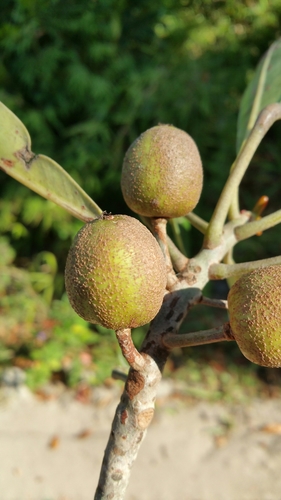
Edible parts: Fruit
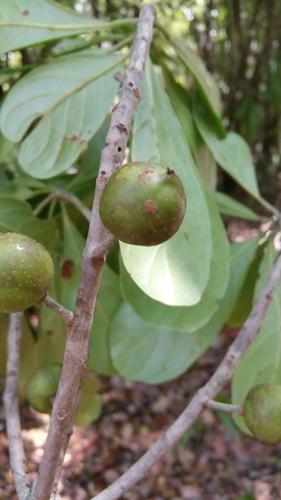
The fruit are edible and sold in local markets.
Where to Find It
A tropical plant. It grows in rainforest up to 500 m above sea level.
Africa, East Africa, Madagascar,
Countries: Angola, Burkina Faso, Burundi, Benin, Botswana, Congo (DRC), Central African Republic, Congo (Republic), Cote d'Ivoire, Cameroon, Cape Verde, Djibouti, Algeria, Egypt, Eritrea, Ethiopia, Gabon, Ghana, Gambia, Guinea, Equatorial Guinea, Guinea-Bissau, Kenya, Comoros, Liberia, Lesotho, Libya, Morocco, Madagascar, Mali, Mauritania, Mauritius, Malawi, Mozambique, Namibia, Niger, Nigeria, Rwanda, Seychelles, Sudan, Sierra Leone, Senegal, Somalia, South Sudan, Sao Tome & Principe, Eswatini, Chad, Togo, Tunisia, Tanzania, Uganda, South Africa, Zambia, Zimbabwe
How to Identify
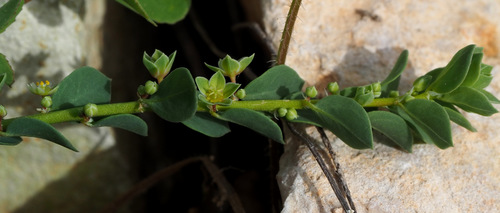
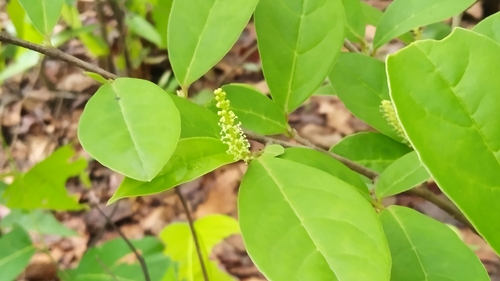
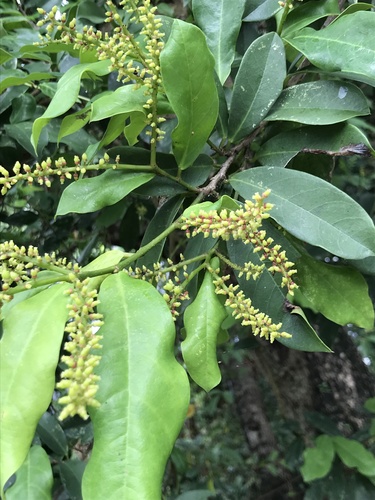
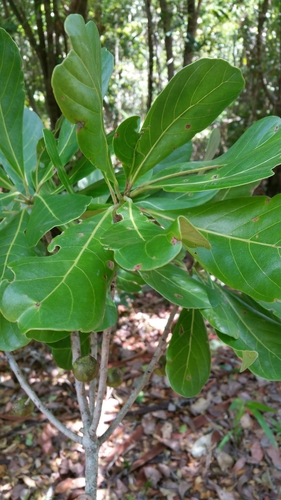
A tropical rainforest tree with small fruit approximately 15 mm long, occurring up to 500 m above sea level.
How to Grow
A dioecious species, both male and female forms need to be grown if fruit and seed are required.
Other Information
Fruit are sold in local markets.
Notes
There are about 60 Uapaca species.
Names & Synonyms
Voapaka
Uapaca clusicioides BakerUapaca ferruginea var. carnotiana Leandri
References (2)
- Jardin, C., 1970, List of Foods Used In Africa, FAO Nutrition Information Document Series No 2.p 166 (As Uapaca clusicioides)
- Styger, E., et al, 1999, Indigenous fruit trees of Madagascar: potential components of agroforestry systems to improve human nutrition and restore biological diversity. Agroforestry Systems 46: 289-310