Uapaca pilosa
Hutch.
iNaturalist · cc-by-nc
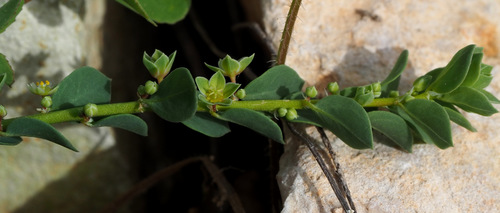
(c) Nick Helme, some rights reserved (CC BY-NC), uploaded by Nick Helme
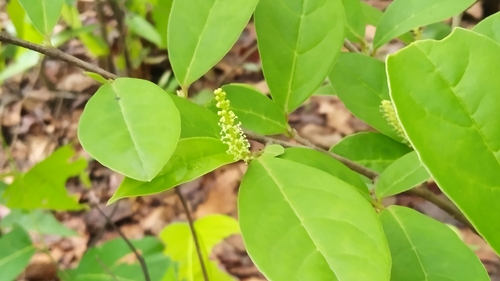
(c) Nick Helme, some rights reserved (CC BY-NC), uploaded by Nick Helme
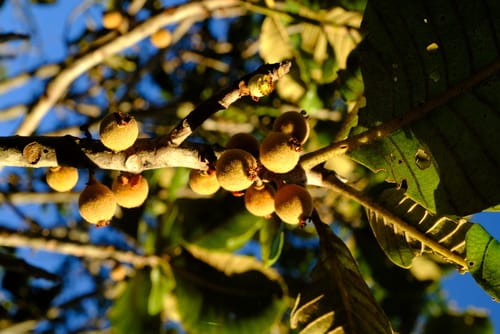
iNaturalist · cc-by-nc
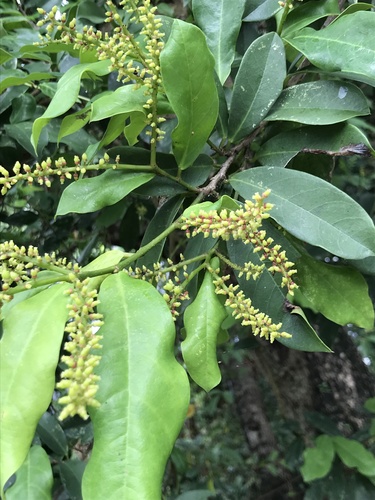
(c) Nick Helme, some rights reserved (CC BY-NC)
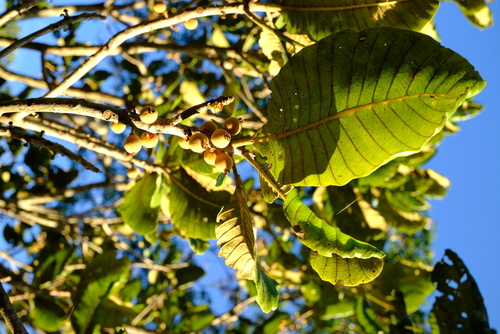
(c) Nick Helme, some rights reserved (CC BY-NC)
What to Eat
Edible parts: Fruit
The fruit are eaten.
Where to Find It
A tropical plant. It grows in open woodland.
Africa, Central Africa, Congo, East Africa, Malawi, Zambia,
Countries: Angola, Burkina Faso, Burundi, Benin, Botswana, Congo (DRC), Central African Republic, Congo (Republic), Cote d'Ivoire, Cameroon, Cape Verde, Djibouti, Algeria, Egypt, Eritrea, Ethiopia, Gabon, Ghana, Gambia, Guinea, Equatorial Guinea, Guinea-Bissau, Kenya, Comoros, Liberia, Lesotho, Libya, Morocco, Madagascar, Mali, Mauritania, Mauritius, Malawi, Mozambique, Namibia, Niger, Nigeria, Rwanda, Seychelles, Sudan, Sierra Leone, Senegal, Somalia, South Sudan, Sao Tome & Principe, Eswatini, Chad, Togo, Tunisia, Tanzania, Uganda, South Africa, Zambia, Zimbabwe
How to Identify
A shrub or small tree. It grows 4.5 m tall. The small branches are stout and brittle. The young twigs are hairy. The leaf blades are 40 cm long by 25 cm wide. They are broadly oval. They are rounded at the tip and wedge shaped at the base. They are thinly leathery. The leaves are grey green or pale green. Male and female flowers are separate. Male flowers are larger. The fruit are 3 cm long by 4-5 cm wide. The are round but flattened. They have shallow lobes. They are green but with brown marks.
Nutrition Score: 32/100
| Part | Moisture | kJ | kcal | Protein | Vit A | Vit C | Iron | Zinc |
|---|---|---|---|---|---|---|---|---|
| Fruit | 74.8 | 355 | 85 | 2.6 | — | — | — | — |
Names & Synonyms
Kikokolo, Mupangwa
Uapaca masuku De Wild.
References (6)
- East African Herbarium records, 1981,
- Flora Zambesiaca. http://apps.kew.org/efloras
- Fowler, D. G., 2007, Zambian Plants: Their Vernacular Names and Uses. Kew. p 28
- Jardin, C., 1970, List of Foods Used In Africa, FAO Nutrition Information Document Series No 2.p 166
- Malaisse, F., 1997, Se nourrir en floret claire africaine. Approche ecologique et nutritionnelle. CTA., p 69
- Peters, C. R., O'Brien, E. M., and Drummond, R.B., 1992, Edible Wild plants of Sub-saharan Africa. Kew. p 113