Xanthorrhoea preissii
Endl.
Grass tree

(c) Margaret-ann Kerr, some rights reserved (CC BY-NC), uploaded by Margaret-ann Kerr
(c) Margaret-ann Kerr, some rights reserved (CC BY-NC), uploaded by Margaret-ann Kerr
(c) QuestaGame, some rights reserved (CC BY-NC-ND), uploaded by QuestaGame
What to Eat
Edible parts: Base leaves, Flower spike
The species had a high economic importance to the Noongar people, who named it balga, utilising the gum it contains, the spike for fish spears, and the bardi grub as a source of food. Anecdotal information on the species refers to an association with fire in the culture of those people.
Where to Find It
It is a subtropical plant. It will grow on a range of soils. It grows in coastal lowlands. It suits hardiness zones 10-11.
Asia, Australia*, Indonesia, SE Asia,
How to Identify
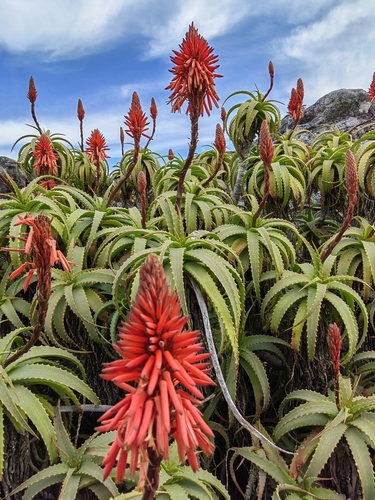
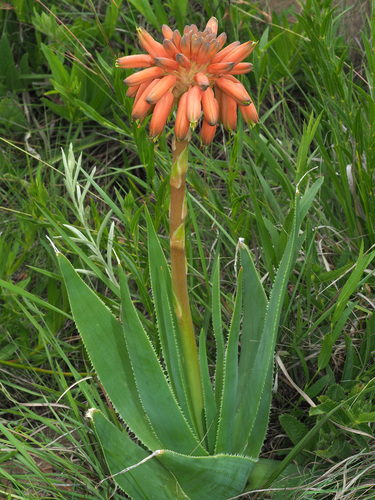
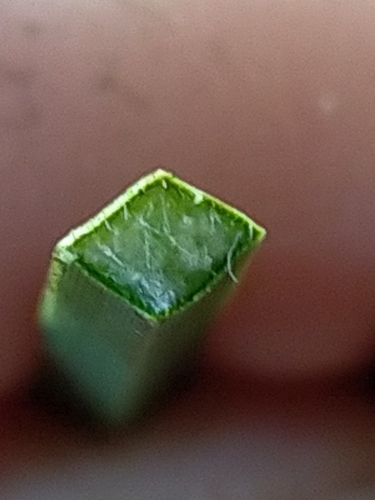
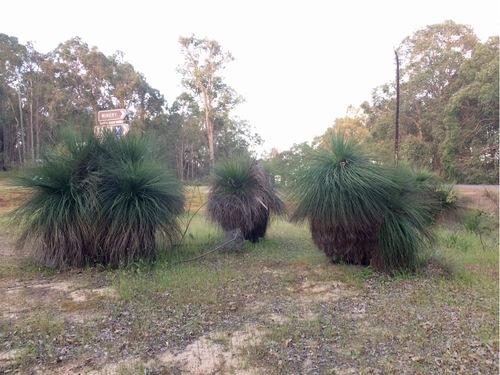
A plant which can be 5 m high. The trunk is often crooked and formed from old leaf bases. It has one or more clumps of long, slender, brittle leaves. These are diamond shaped in cross section. The flower spike can be 3 m long. It has thousands of small white flowers. It flowers after fire.
How to Grow
Plants can be grown from seeds.
Wikipedia
Source ↗Xanthorrhoea preissii, known as balga, is a widespread species of perennial monocot in Southwest Australia.
Production
Fire will stimulate flowering.
Names & Synonyms
Balga, Balka, Black boy, Common blackboy, Pohon rumput
References (10)
- Cronin, L., 1989, The Concise Australian Flora. Reed. p 124
- Cundall, P., (ed.), 2004, Gardening Australia: flora: the gardener's bible. ABC Books. p 1490
- Daw, B., Walley, T. & Keighery, G., 2001, Bush Tucker. Plants of the South-West. Department of Conservation and Land Management. Western Australia. p 58
- Hibbert, M., 2002, The Aussie Plant Finder 2002, Florilegium. p 310
- Morley, B.D., & Toelken, H.R., (Eds), 1983, Flowering Plants in Australia. Rigby. p 330
- Paczkowska, G. & Chapman, A.R., 2000, The Western Australian Flora. A Descriptive Catalogue. Western Australian Herbarium. p 130
- J. G. C. Lehmann, Pl. Preiss. 2:39. 1846
- Plants and People in Mooro Country. Nyungar Plant use in Yellagonga Regional Park
- Rolsh, 1994, Wildflowers of the Western State, Rolsh Productions Albany WA. p 6
- Sukarya, D. G., (Ed.) 2013, 3,500 Plant Species of the Botanic Gardens of Indonesia. LIPI p 733