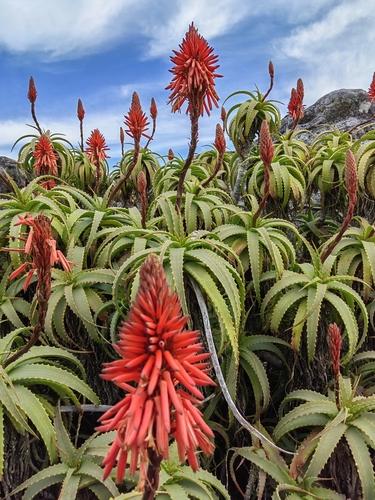
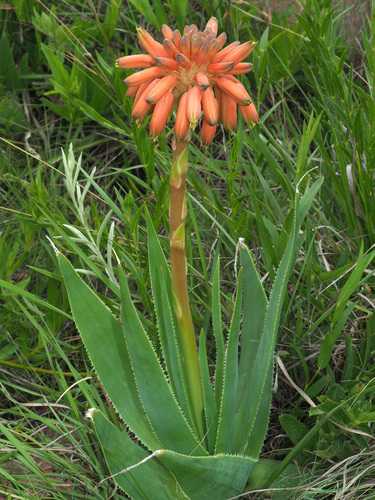
Asphodelus microcarpus
Salzm. et Biv.
Asfodelo mediterraneo

(c) Nicolas Schwab, some rights reserved (CC BY-NC)

(c) Nicolas Schwab, some rights reserved (CC BY-NC)

(c) Rafi Amar, some rights reserved (CC BY-NC)
What to Eat
Edible parts: Roots, Tubers
The roots and tubers are eaten boiled with olive oil, or dried and ground for use in bread preparation.
Where to Find It
It is a Mediterranean plant.
Africa, Balkans, Bosnia, Europe, Israel, Italy, Jordan, Lebanon, Libya, Mediterranean, Middle East, North Africa, Palestine, Sicily, Syria, Turkey, Türkiye,
How to Identify
A Mediterranean herb in the Xanthorrhoeaceae family with edible underground tubers and roots. The underground parts have been traditionally used as a staple food source in the region.
Medicinal Uses
Some traditional folk usages of the plant have been to make a glue from the plant's root. A remedy against warts is also derived from its root. According to Dioscorides, a concoction made from its roots (mixed with wine) induces vomiting. Formerly, the entire plant was used in treating venomous snake bites (its efficacy yet to be proven scientifically).
Notes
Also put in the family Asphodelaceae.
References (4)
- Lentini, F. and Venza, F., 2007, Wild food plants of popular use in Sicily. J Ethnobiol Ethnomedicine. 3: 15
- Mahklouf, M. H., 2019, Ethnobotanical Study of Edible Wild Plants in Libya. European Journal of Ecology. 5(2): 30-40
- Redzic, S. J., 2006, Wild Edible Plants and their Traditional Use in the Human Nutrition in Bosnia-Herzegovina. Ecology of Food and Nutrition, 45:189-232
- Rivera, D. et al, 2006, Gathered Mediterranean Food Plants - Ethnobotanical Investigations and Historical Development, in Heinrich M, Müller WE, Galli C (eds): Local Mediterranean Food Plants and Nutraceuticals. Forum Nutr. Basel, Karger, 2006, vol 59, pp 18–74