Eremurus persicus
(Jaub. & Spach) Boiss.
Hoal, Hoad
AsphodelaceaeLeaves
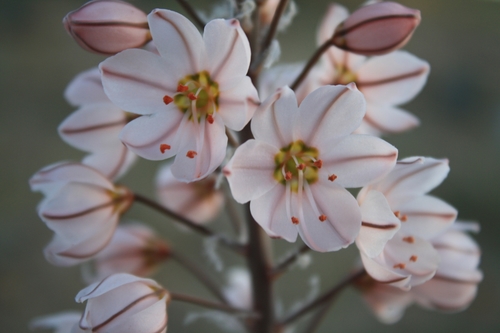
iNaturalist · cc-by-nc
(c) Wahrak Izirap, some rights reserved (CC BY-NC), uploaded by Wahrak Izirap
(c) Wahrak Izirap, some rights reserved (CC BY-NC), uploaded by Wahrak Izirap
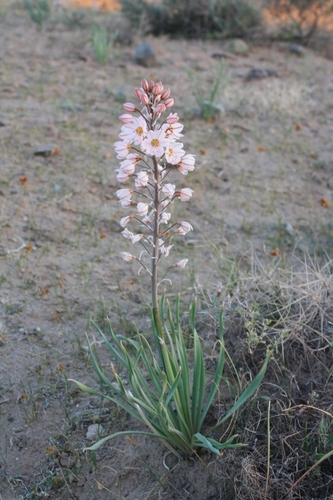
iNaturalist · cc-by-nc
(c) Wahrak Izirap, some rights reserved (CC BY-NC)
(c) Wahrak Izirap, some rights reserved (CC BY-NC)
What to Eat
Edible parts: Leaves
The young leaves are eaten as a vegetable, either raw or cooked.
Where to Find It
It is a temperate plant.
Afghanistan, Asia, Iran, Middle East, Pakistan,
Countries: United Arab Emirates, Afghanistan, Armenia, Azerbaijan, Bangladesh, Bahrain, Brunei, Bhutan, China, Georgia, Indonesia, Israel, India, Iraq, Iran, Jordan, Japan, Kyrgyzstan, Cambodia, North Korea, South Korea, Kuwait, Kazakhstan, Laos, Lebanon, Sri Lanka, Myanmar, Mongolia, Maldives, Malaysia, Nepal, Oman, Philippines, Pakistan, Qatar, Saudi Arabia, Singapore, Syria, Thailand, Tajikistan, Timor-Leste, Turkmenistan, Turkey, Taiwan, Uzbekistan, Vietnam, Yemen
How to Identify
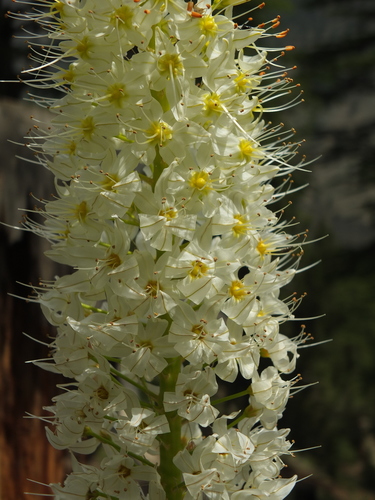
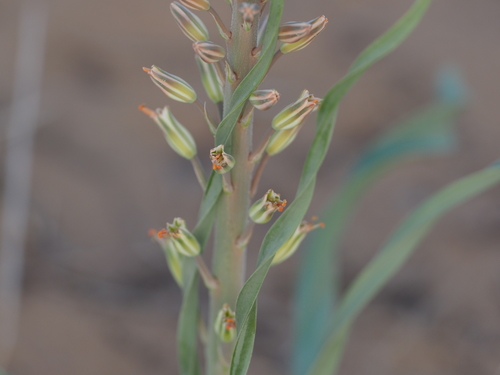
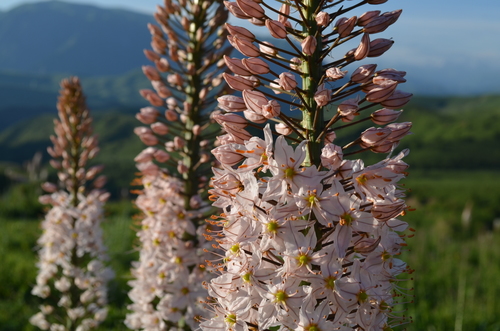
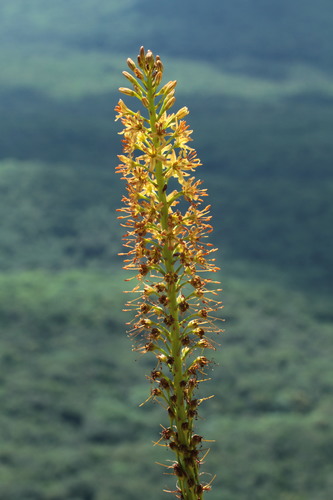
A herb. It grows 30-70 cm tall. The leaves are 1 cm wide. They hang down. The fruit is a caspule 2.2 cm long. It is round. The seed are 8-10 mm long. They have broad wings.
Notes
It has also been put in the family Xanthorrhoeaceae.
Names & Synonyms
Shezgai
Asphodelus persicus Jaub. & SpachEremurus aucherianus Boiss.Henningia persicus (Jaub. & Spach) Regeland others
References (1)
- Tareen, N. M., et al, 2016, Ethnomedicinal Utilization of Wild Edible Vegetables in District Harnai of Balochistan Province - Pakistan. Pakistan Journal of Botany 48(3): 1159-1171