Aloe polyphylla

Pillans

Spiral aloe

XanthorrhoeaceaeLeaves
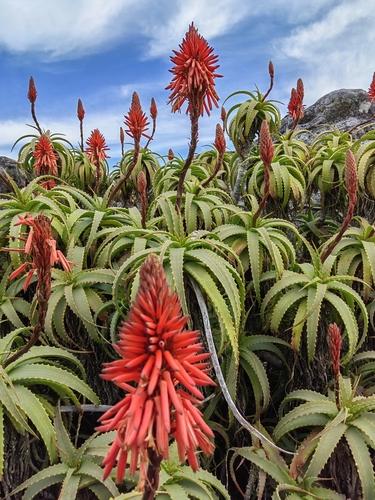
Aloe polyphylla
iNaturalist · cc-by-nc
(c) Jenny Potgieter, some rights reserved (CC BY-NC), uploaded by Jenny Potgieter
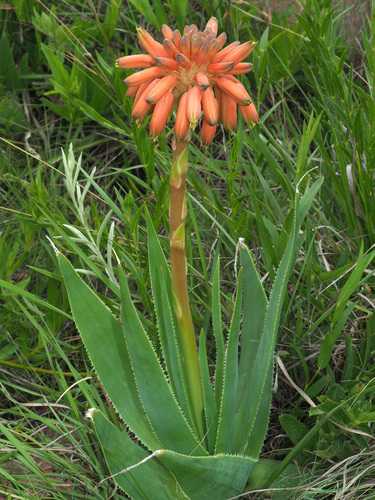
Aloe polyphylla
iNaturalist · cc-by-nc
(c) Paul, some rights reserved (CC BY-NC), uploaded by Paul

What to Eat

Edible parts: Leaves

The leaves are edible.

Where to Find It

It is a subtropical plant. In Lesotho it grows between 1,900-2,600 m above sea level. It can tolerate cold and snow.

Africa, Estonia, Europe, Lesotho, Southern Africa,

Countries: Andorra, Albania, Angola, Austria, Bosnia & Herzegovina, Belgium, Burkina Faso, Bulgaria, Burundi, Benin, Botswana, Belarus, Congo (DRC), Central African Republic, Congo (Republic), Switzerland, Cote d'Ivoire, Cameroon, Cape Verde, Cyprus, Czechia, Germany, Djibouti, Denmark, Algeria, Estonia, Egypt, Eritrea, Spain, Ethiopia, Finland, France, Gabon, United Kingdom, Ghana, Gambia, Guinea, Equatorial Guinea, Greece, Guinea-Bissau, Croatia, Hungary, Ireland, Iceland, Italy, Kenya, Comoros, Liechtenstein, Liberia, Lesotho, Lithuania, Luxembourg, Latvia, Libya, Morocco, Monaco, Moldova, Montenegro, Madagascar, North Macedonia, Mali, Mauritania, Malta, Mauritius, Malawi, Mozambique, Namibia, Niger, Nigeria, Netherlands, Norway, Poland, Portugal, Romania, Serbia, Russia, Rwanda, Seychelles, Sudan, Sweden, Slovenia, Slovakia, Sierra Leone, San Marino, Senegal, Somalia, South Sudan, Sao Tome & Principe, Eswatini, Chad, Togo, Tunisia, Tanzania, Ukraine, Uganda, South Africa, Zambia, Zimbabwe

How to Identify

A subtropical succulent in the Xanthorrhoeaceae family with leaves arranged in distinctive spirals, native to high-altitude regions of Lesotho at 1,900-2,600 m where it tolerates cold and snow.

Wikipedia

Source ↗

Aloe polyphylla, the spiral aloe, kroonaalwyn, lekhala kharetsa, or many-leaved aloe, is a species of flowering plant in the genus Aloe that is endemic to the Kingdom of Lesotho in the Drakensberg mountains. An evergreen succulent perennial, it is well known for its strikingly symmetrical, five-pointed spiral growth habit.

Notes

Also put in the family Aloaceae. Also put in the family Asphodelaceae.

References (1)
  • INFOODSUpdatedFGU-list.xls

More from Xanthorrhoeaceae