Phyllanthus pectinatus
Hook.f.
Malacca tree
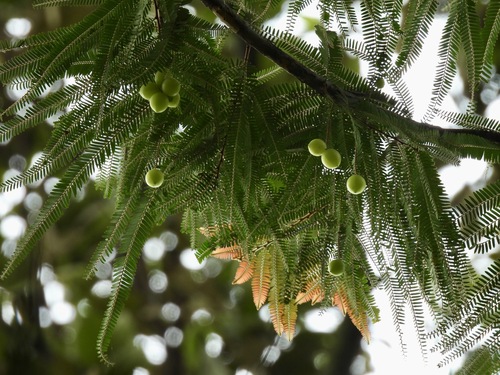
(c) Adam Kamal, some rights reserved (CC BY), uploaded by Adam Kamal

Wikimedia Commons - LBM1948
What to Eat
Edible parts: Fruit
Malacca received recognition from the World Street Food Congress for Nyonya Siamese Noodles (34th) and Coolie Street Satay (43rd). The various street dishes and delicacies of Malacca include satay celup; chicken rice balls; duck noodles; Malacca-style wonton noodles; nyonya laksa; pai tee (also known as pie tee and top hats); ayam pongteh; asam pedas with fish; Portuguese grilled fish and seafood; fishball lobak; coconut shake; nyonya cendol; putu piring; and nyonya kuih.
Where to Find It
It is a tropical plant.
Asia, Malaysia, SE Asia,
How to Identify
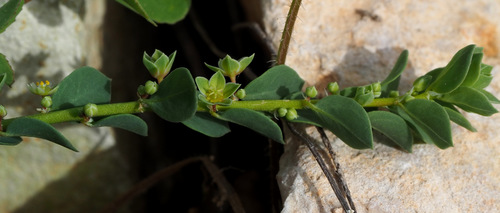
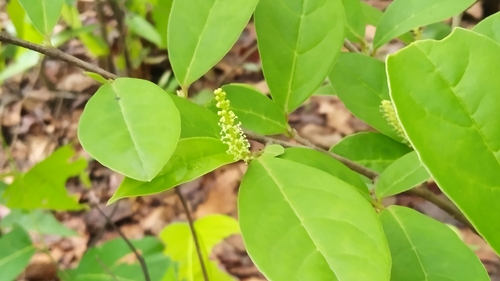
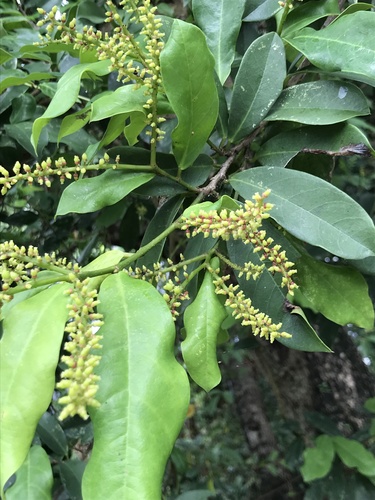
A large tree. The leaves have leaflets along the stalk. The flowers are small and in a dense group. The fruit are fleshy and top shaped.
How to Grow
Plants can be grown from seed.
Names & Synonyms
Asam melaka, Laka laka, Melaka
References (1)
- Reis, S. V. and Lipp, F. L., 1982, New Plant Sources for Drugs and Foods from the New York Botanical Garden herbarium. Harvard. p 161