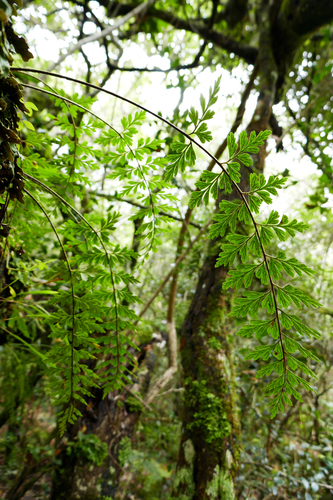
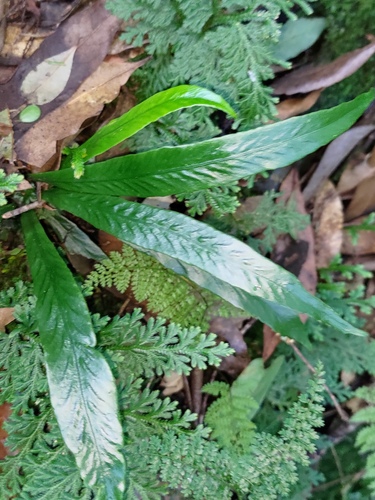
Asplenium ruta-muraria
L.

(c) A. Flinn (and M. Finn), some rights reserved (CC BY-NC), uploaded by A. Flinn (and M. Finn)
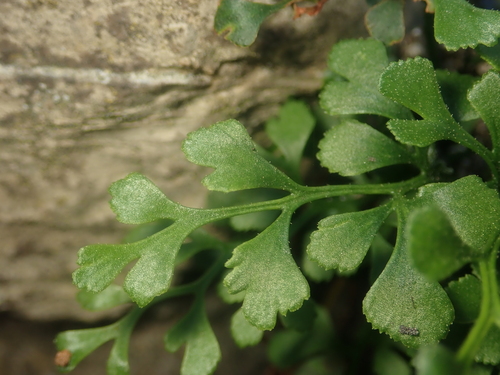
(c) Alexis Tinker-Tsavalas, some rights reserved (CC BY), uploaded by Alexis Tinker-Tsavalas

(c) Hornbeam Arts, some rights reserved (CC BY-NC)
What to Eat
Edible parts: Fronds - spice
None known
Known Hazards
Where to Find It
It is a temperate plant.
Asia, Central Asia, China, Europe, Korea, Luxembourg, Mongolia, Switzerland, Tajikistan, Turkey, Türkiye,
How to Identify
Tiny evergreen fern, slow-growing to just 0.1m × 0.2m. Hardy to UK zone 6 with year-round foliage. Prefers light sandy to medium loamy soils with excellent drainage. Grows specifically in basic to very alkaline soils. Tolerates semi-shade. Prefers moist conditions. Seeds ripen July to October.
How to Grow
Requires a well-drained position and lots of old mortar rubble in the soil. Requires a humid atmosphere and some shade. A good plant for growing on a shady part of an old dry-stone or brick wall, also succeeding in full sun. A very ornamental fern, it is very tough but slow to establish. Members of this genus are rarely if ever troubled by browsing deer.
Propagation: Spores - best sown as soon as they are ripe on the surface of a humus-rich sterilized soil. Keep the compost moist, preferably by putting a plastic bag over the pot. Germinates in spring. Spring sown spores germinate in 1 - 3 months at 15°c. Pot on small clumps of plantlets into individual pots as soon as they are large enough to handle and grow them on in light shade in a cold frame or greenhouse. Keep the plants humid until they are well established. Once the plants are 15cm or more tall, plant them out into their permanent positions in the spring. Division in spring.
Medicinal Uses
Astringent Deobstruent Emmenagogue Expectorant Ophthalmic The fronds are astringent, deobstruent, emmenagogue, expectorant and ophthalmic. A distilled water made from the fronds has proved of benefit in the treatment of many eye complaints. The plant is also considered to be useful in the treatment of coughs and ruptures in children. It was at one time used as a herbal remedy for rickets and its tannin content renders it suitable for stopping bleeding from small wounds. The fronds are harvested in late spring and dried for later use.
Other Uses
None known Special Uses
Wikipedia
Source ↗Asplenium ruta-muraria is a species of fern commonly known as wall-rue (but which, as a fern, is not by any means closely related to common rue). It is a very small epipetric species, growing exclusively on limestone and other calcareous rocks. Its fronds are bluish-green and are heavily sub-divided, becoming up to 12 cm (4.7 in) in length.
Notes
It is an unresolved name in The Plant List. 2 authorities L. and Pappe & Rawson.
References (2)
- Abbet, C., et al, 2014, Ethnobotanical survey on wild alpine food plants in Lower and Central Valais (Switzerland). Journal of Ethnopharmacology 151 (2014) 624–634
- Urgamal, M., et al, 2014, Conspectus of the Vascular Plants of Mongolia. Mongolia Academy of Sciences Institute of Botany and National University of Mongolia Department of Biology. p 32