Cuphea viscosissima
Jacq.
Blue wax-weed, Clammy cuphea
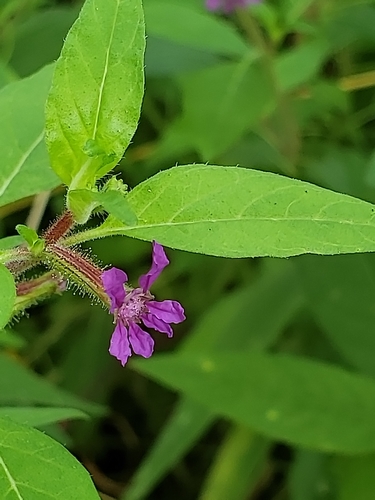
(c) Jennifer Harris, some rights reserved (CC BY)
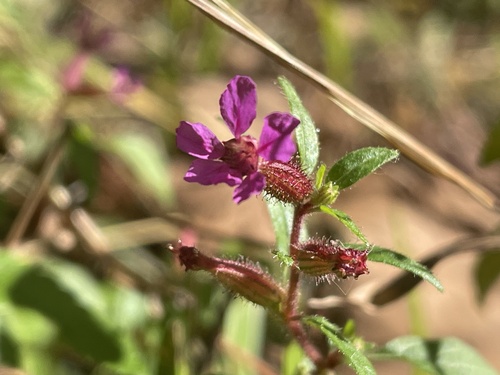
(c) Zach Bell, some rights reserved (CC BY-NC)
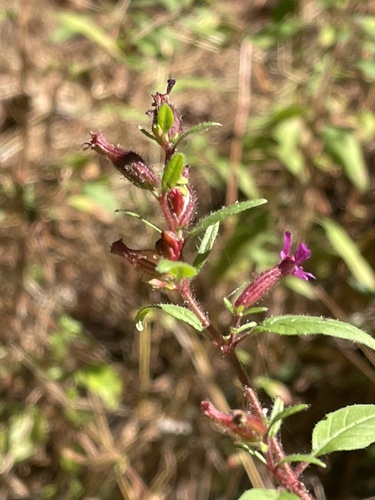
(c) Zach Bell, some rights reserved (CC BY-NC)
What to Eat
Edible parts: Seeds - oil
The plant has potential as an oilseed crop.
Where to Find It
It is a temperate plant. It grows in open, rocky limestone areas. It suits USDA hardiness zones 6-9.
Mexico, North America, USA*,
How to Identify
An annual plant reaching 0.5 m (1 ft 8 inches) tall, hardy to UK zone 7. The hermaphroditic plant adapts to light sandy, medium loamy, or heavy clay soils at mildly acid to basic pH levels. It tolerates semi-shade conditions or full sun and prefers consistently moist soil.
How to Grow
Plants can be grown from seeds.
Propagation: Seed can be sown in a greenhouse in early spring, with young plants set out in late spring after the last expected frosts. Seed can also be sown directly outdoors in situ in mid to late spring.
Medicinal Uses
None known
Other Uses
None known Special Uses
Wikipedia
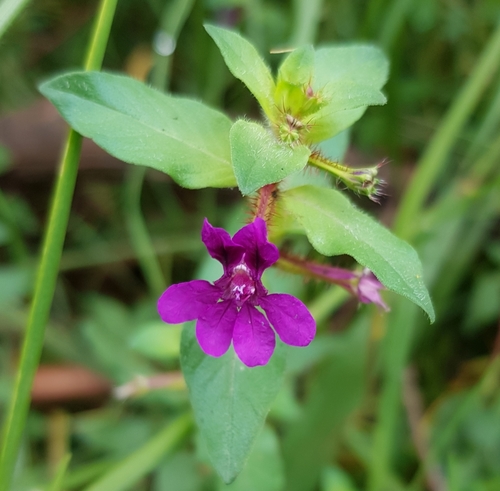
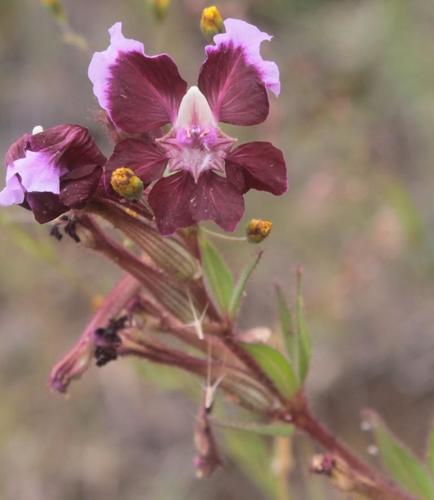
Source ↗Cuphea viscosissima, also known as waxbush, blue waxweed, clammy cuphea or (ambiguously) as "tarweed", is an herbaceous plant in the loosestrife family. It native to the eastern United States, where it is most often found in open, rocky calcareous areas. It is the most common and widespread Cuphea in the U.S. This species is notable for its sticky stems. It produces a purple-red flower in late summer. Flowers attract butterflies and hummingbirds. This species is morphological similar to Cuphea lanceolata, which is found in Mexico. It can be distinguished from Cuphea lanceolata by its smaller flower.
Notes
There are about 250 Cuphea species. They are in Central and South America.
Names & Synonyms
References (2)
- Hort. bot. vindob. 2:83, t. 177. 1773
- Wiersema, J. H. & Leon, B., 2013, World Economic Plants. A Standard Reference CRC Press. 2nd Ed. p 219