Phyllanthus emblica
L.
Emblic, Myrobalan
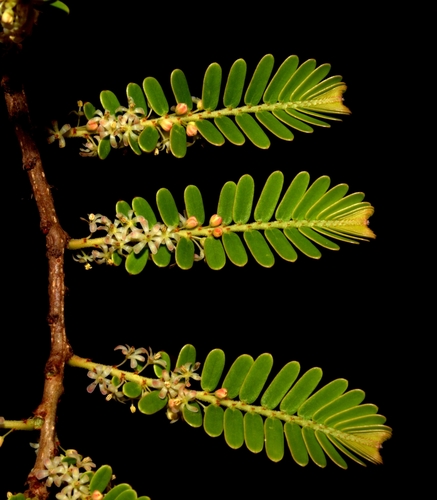
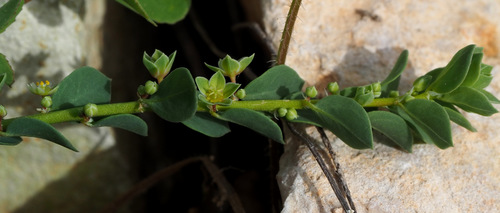
(c) Mayuresh Kulkarni, some rights reserved (CC BY-NC), uploaded by Mayuresh Kulkarni

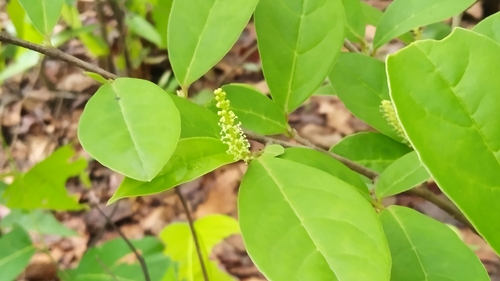
(c) portioid, some rights reserved (CC BY), uploaded by portioid

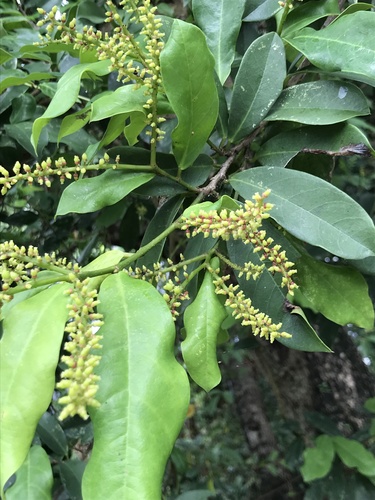
(c) Yj, some rights reserved (CC BY), uploaded by Yj
What to Eat
Edible parts: Seeds, Fruit, Leaves, Flower petals, Tea
The fruit can be eaten raw or cooked, though its acid, astringent flavour means it is rarely eaten raw without sugar, salt, or chillies to temper it. Steeping the fruits in brine for a few days removes much of the astringency. They are more commonly made into jams, jellies, tarts, and chutneys, and are also eaten as a wayside snack to quench thirst. The fruit is rich in pectin and is regarded as one of the richest natural sources of vitamin C, with mature fruit containing 1–1.8% vitamin C; it is also a good source of carbohydrate and minerals. The yellow fruit reaches up to 25mm in diameter in wild plants (weighing approximately 5.5g), while cultivated fruits average 28–50g. Many Hindus regard the plant as sacred, and Hindu tradition prescribes eating the ripe fruit for 40 days after a fast to restore health and vitality. A common Indian practice is for housewives to cook the fruits with sugar and saffron and give one or two to a child each morning. Fruits can be preserved by splitting, removing the stone, placing segments in a solution of 42% glycerol, 42% sucrose, water, and preservatives, then heating to 90°C for 3 minutes. The fruits are left to equilibrate in the solution for two days at 2°C, then drained and packed into containers. Fruits preserved this way remain acceptable for about 2 months at room temperature and considerably longer when refrigerated, though the ascorbic acid content does drop gradually. The leaves are edible cooked but are small and have a bitter flavour. The unripe seed is also eaten. Seeds yield approximately 16% of a brownish-yellow oil containing linoleic acid (44%), oleic acid (28.4%), linolenic acid (8.8%), stearic acid (2.2%), palmitic acid (3.0%), and myristic acid (1.0%). The fruit is used in the manufacture of black salt.
Where to Find It
A tropical plant. It suits the hot humid tropical lowlands. It is native to tropical Asia. It grows in arid bushy savannah. It grows from 10-20 m to 1400-1500 m altitude. It often grows on poor shallow soils. It is light demanding and drought tolerant. It can tolerate forest fires. They are common in tropical deciduous forest in India. It suits the subtropics. It needs warm temperatures at time of flower bud formation. Dry times during fruiting cause fruit to drop. It can tolerate low and high temperatures once established. It can tolerate soils with a pH 6-10. Some varieties can tolerate salty soils. In XTBG Yunnan. In Sichuan.
Africa, Andamans, Asia, Australia, Bangladesh, Bhutan, Brazil, Cambodia, Central America, China, Cuba, East Africa, Fiji, Hawaii, Himalayas, India, Indochina, Indonesia*, Iran, Laos, Malaysia*, Maldives, Middle East, Myanmar, Nepal, Northeastern India, NW India, Pacific, Pakistan, Philippines, Puerto Rico, SE Asia, Sikkim, South America, Sri Lanka, Taiwan, Thailand, Tibet, USA, Vietnam, West Indies,
How to Identify
A small deciduous tree. It grows 2-20 m tall. The trunk is bent and has many branches. The branches are spreading. The bark is greyish-brown and peels off in flakes. The leaves are pale green and feathery. New leaves are pinkish. The leaves have short stalks. The leaves are 1-1.5 cm long by 0.2-0.3 cm wide. The leaves are arranged on slender branches to appear like feathery compound leaves. They are like tamarind leaves. Male and female flowers occur on different trees. The flowers are small and yellow. They are densely clustered on the branches. The fruit are small and yellow to green. They are 2 cm across and edible. They have 6-8 faint lines along them. They are fleshy and edible. They are sour. Some improved kinds have fruit 8-9 cm across. The seeds are 3 sided.
How to Grow
A plant mainly of the hot, tropical lowlands, succeeding in both humid and semi-arid areas. It can also be found at elevations up to 2,300 metres in southern China. It grows best in areas where annual daytime temperatures are within the range 20 - 29°c, but can tolerate 14 - 35°c. It prefers a mean annual rainfall in the range 1,500 - 2,500mm, but tolerates 700 - 4,200mm. Emblic is a very easily grown plant, reported to thrive in regions that are too dry and on soil that is too poor for most other fruit crops. Requires a position in full sun or part day shade, but is undemanding as to soil requirements so long as it is well-drained. It can even succeed on alkaline soils, though in a highly alkaline soil (pH 8.0) nutritional deficiencies are evident. For maximum productivity, the tree requires deep soil ranging from sandy loam to clay, light or heavy, and slightly acidic to slightly alkaline. Plants seem to grow equally well under both arid and humid conditions. Prefers a pH in the range 6 - 8, tolerating 5 - 8. The tree is rather slow-growing and usually only bears fruit when 6 - 8 years old. Seedlings take about 10 years to come into bearing. The plant only produces flowers at a daylength between 12 - 13.5 hours. Annual fruit yields may be about 15 - 25 kilos per tree. Mature plants can yield 200 kilos of fruit per year. Ripe fruits may be retained for several months on the tree without significant loss of quality. Because of this, a long period is available for picking the fruits for consumption. The tree coppices well and pollards fairly well. Coppiced shoots grow particularly vigorously, and coppicing is considered the system most suitable for the production and collection of tanbark on a commercial scale. Usually plantations need much weeding because the thin crowns do not form a closed canopy. There are some named varieties. Emblic is fire resistant, and is one of the first trees to recover after a fire. Plants are usually monoecious, but occasional dioecious forms are found. Flowering Time: Late Winter/Early Spring. Bloom Color: Chartreuse (Yellow-Green).
Propagation: Seed does not store well and is best sown as soon as it is ripe. Seed is taken from over-ripe fruits, which are sun-dried to help remove the stone or cut in half through the stone. Extracted seeds given a float test show 100% germination for those that sink. Seedlings reach a stem diameter of 8mm within 4 months and can be budded or grafted at this stage if desired. Semi-hardwood cuttings taken from the middle portions of vigorous shoots of young trees and planted in beds at approximately 33°C produce a high rooting percentage of up to 84%. Greenwood cuttings, layering, and grafting are also used.
Medicinal Uses
Emblic is of great importance in traditional Asiatic medicine, not only as an antiscorbutic but in treating a wide range of ailments, particularly those affecting the digestive system. In Thailand the fruits are traditionally used as an expectorant, antipyretic, diuretic, antidiarrhoeal, and antiscorbutic, and many of these uses have been supported by research into the plant's active compounds. The fruits, bark, and leaves are rich in tannin: dried pulp of unripe fruits contains 18–35% tannin, though ripe fruit is much lower; dry stem bark contains 8–20% tannin; twig bark is richer at 12–24% tannin on a dry weight basis; and leaves may yield 22–28% tannin. The fruit tannins belong to the gallotannin and ellagitannin groups, yielding gallic acid, small amounts of ellagic acid, and glucose on hydrolysis. Bark tannins belong to the proanthocyanidin group, yielding (+)leucodelphinidin on hydrolysis. The fruit is an extremely rich source of ascorbic acid, with 100g of juice containing 600–1,300mg or more. The tannins in the fruit prevent or slow oxidation of vitamin C, allowing the fruits to be preserved in salt solution or as dry powder while retaining their antiscorbutic value. The tannoid compounds are potent inhibitors of aldose reductase and may help manage diabetic complications including cataract. Fruit extracts have shown antioxidant and antitumour activity in in-vitro and animal studies, as well as cholesterol-lowering, antitussive, anti-ulcerative, and hepatoprotective properties, and potent inhibitory activity on HIV reverse transcriptase — with putranjivain A identified as the most active isolated compound. Phyllemblin, also isolated from the fruits, potentiates the action of adrenaline, has a mild depressant effect on the central nervous system, and has spasmolytic properties. Leaf extracts have shown inhibitory activity on human leukocytes and platelets, at least partly confirming anti-inflammatory and antipyretic uses. The fruits have diuretic, laxative, and purgative activities and show molluscicidal and antimicrobial properties. A principal ingredient in Ayurvedic tonic formulae, the fruit is given to counter the effects of aging and restore the organs. The sour fruits are one of the three components of 'triphala', an Ayurvedic rejuvenating laxative tonic combining this species with the fruits of Terminalia bellirica and Terminalia chebula. The fruit juice is also given to strengthen the pancreas in diabetics and to treat eye problems, joint pain, diarrhoea, and dysentery.
Other Uses
Branches are lopped for use as green manure and are said to correct excessively alkaline soils. The tree is planted as a pioneer species in northern Thailand in reforestation projects, used alongside other fast-growing species that produce dense weed-suppressing crowns and attract seed-dispersing wildlife, particularly birds and bats. The bark, roots, leaves, and immature fruits are highly valued as sources of tannin; branches under 5cm in diameter are coppiced every 2 years for this purpose, and rapidly sun-dried bark is recommended as it retains significantly more tannin than slowly dried bark. The leaves are used to dye matting, bamboo wickerwork, silk, and wool in brown colours, with grey and black achieved using iron salts as mordants; bark decoctions can also dye matting in dark colours. The fruits are used to prepare a black ink and a hair dye. Branches and wood chips thrown into muddy streams are said to clarify the water and impart a pleasant flavour. Dried leaves are sometimes used as pillow fillings. Dried fruits are used for washing the head in parts of Nepal. A fixed oil derived from the fruit is used as a hair-restorer and in shampoos in India. A curious traditional practice involves making simulated pottery jars from a paste of boiled fruit, with surfaces decorated with impressed coloured seeds. The red wood is close-grained, fairly heavy, hard, and flexible, though prone to warping and splitting. It is used for minor construction, furniture, implements, gunstocks, and pipes. Very durable when submerged and believed to clarify water, it is used to make crude aqueducts and inner braces for wells. The wood is also used as fuel and produces good-quality charcoal.
Wikipedia
Source ↗Phyllanthus emblica, also known as emblic, emblic myrobalan, myrobalan, nelikai, Indian gooseberry, Malacca tree, amloki or amla, is a deciduous tree of the family Phyllanthaceae. Its native range is tropical and southern Asia.
Production
Early growth is fast. Some budded trees produce fruit after 3 years. Seedling trees take 7-8 years. Best yields are produced after 10-12 years and trees can keep bearing for 70-75 years. In India fruit are available October to December. A fruit weighs 30-50 g.
Other Information
The fruit are sold in markets. The fruit are eaten especially by children. It is cultivated. It is an important arid zone minor fruit.
Notes
There are about 750 Phyllanthus species. They are mostly in the tropics. The fruit are high in Vitamin C. It has anticancer properties. It has been used to reduce arsenic damage.
Names & Synonyms
Aamala, Aambla, Aamla, Aaula, Aawla, Aadifal, Adiphala, Amala, Amalagam, Ambare segun, Amalaka, Amalakamu, Amali, Amalika, Ambal, Ambala, Ambla, Amblai, Ambli, Ambula, Amla, Amlaki, Amlika, Amlokhi, Amloki, Anola, Aola, Aonla, Aoola, Aungra, Aunra, Anwala, Avla, Awala, Awalkante, Awla, Awusada-nelli, Balaka, Beys goanbili, Challa, Chay-ahkya, Chohroshi, Dhatri, Gam so-lu, Ganlan, Hamlaithai, Heikru, Htakyu, Indian gooseberry, Jahka chi, Jauka chi, Kam tawt, Kantuet prei, Kantuot prey, Kaoxiameidiang, Kattuneli, Kayu laka, Kemlaka, Khulhu, Kik, Kok kham phon, Kontoutprey, Ku-hlu, Kyurba, Laka-laka, Ma bo, Mahanbo, Mai-hkam, Makam paun, Mak kaam pom, Ma kham pom, Malacca tree, Malainelli, Malaka, Me rung, Melaka, Mirobalanos emblicos, Nalli, Nelli, Nellika, Nelli kaayi, Nellikkai, Nia gong biu, Peru nelli, Phang, Pohon kimalaka, Pokok malaka, Rihaushi, Ringa, Sanmopi, Seqe, Se-sar, Se-shar, Set-kalwe, Set-thalwe, Shabyu, Si cuo si, Sii nya saa, Skyu-ru, Soh-mylleng, Sohlu, Sohmyrlain, Sunhlu, Tasha, Taya, Thelu kame, Usirikai, Xicha, Xi qia ha, Zepyu, Zibya, Zibyu
References (194)
- Abbasi, A. M., Khan, M & Zafar, M., 2013, Ethno-medicinal assessment of some selected wild edible fruits and vegetables of Lesser-Himalayas, Pakistan. Pak. J. Bot. 45 (SI):215-222
- Acharya K. P. and Acharya, R., 2010, Eating from the Wild: Indigenous knowledge on wild edible plants in Parroha VDC of Rupandehi District, Central Nepal. International Journal of Social Forestry. 3(1):28-48
- Aiguo, C. & Zhiling, D., 2001, Managing Agricultural Resources for Biodiversity Conservation. Case Study Yunnan, Southwest China. Environment Liaison Center International. p 39
- Ajesh, T. P., et al, 2012, Ethnobotanical Documentation of Wild Edible Fruits used by Muthuvan Tribes of Idukki, Kerala-India. International Journal of Pharma and Bio Sciences 3(3): 479-487
- Ambasta, S.P. (Ed.), 2000, The Useful Plants of India. CSIR India. p 195 (As Emblica officinalis)
- Anderson, E. F., 1993, Plants and people of the Golden Triangle. Dioscorides Press. p 218
- Arinathan, V., et al, 2007, Wild edibles used by Palliyars of the western Ghats, Tamil Nadu. Indian Journal of Traditional Knowledge. 6(1) pp 163-168
- Arora, R. K., 2014, Diversity in Underutilized Plant Species - An Asia-Pacific Perspective. Bioversity International. p 69 (Also as Emblica officinalis)
- Aryal, K. P. et al, 2009, Uncultivated Plants and Livehood Support - A case study from the Chepang people of Nepal. Ethnobotany Research and Applications. 7:409-422
- Aryal, K. P., et al, 2018, Diversity and use of wild and non-cultivated edible plants in the Western Himalaya. Journal of Ethnobiology and Ethnomedicine (2018) 14:10
- Ashton, M. S., et al 1997, A Field Guide to the Common Trees and Shrubs of Sri Lanka. WHT Publications Ltd. pdf p 208
- Baishya, S. Kr., et al, 2013, Survey of Wild Edible Fruits of Dhubri District, Assam, India. Plant Archives Vol 13 (1): 155-158
- Bajpai, O., et al, 2015, Tree species of the Himalayan Terai region of Uttar Pradesh, India: a checklist. Check List 11(4): 1718
- Bajracharya, D., 1980, Nutritive Values of Nepalese Edible Wild Fruits. Z. Lebensm. Unters. Forsch. 171: 363-366
- Balkrishna, A., et al, 2022, Indigenous Uses of Plants among Forest-dependent Communities of Seijosa, Arunachal Pradesh. International Journal of Economic Plants 2022, 9(1):064-080
- Banerjee, A., et al, 2013, Ethnobotanical Documentation of Some Wild Edible Plants in Bankura District, West Bengal, India. The Journal of Ethnobiology and Traditional Medicine. Photon 120 (2013) 585-590 (As Emblica officinalis)
- BARC, 2016, State of Biodiversity for Food and Agriculture in Bangladesh. Bangladesh Agricultural Research Council.
- Barwick, M., 2004, Tropical and Subtropical Trees. A Worldwide Encyclopedic Guide. Thames and Hudson p 318
- Basha, S. K. M., Ethnobotanical Trees of Sri Lanka Malleswara Wildlife Sanctuary; Eastern Ghats, Andhra Pradesh.
- Bhatia, H., et al, 2018, Traditionally used wild edible plants of district Udhampur, J&K, India. Journal of Ethnobiology and Ethnomedicine (2018) 14:73
- Blench, R., 2004, Fruits and Arboriculture in the Indo-Pacific Region. Indo-Pacific Prehistory Association Bulletin 24. (Taipei Papers Volume 2) p 39
- Bodkin, F., 1991, Encyclopedia Botanica. Cornstalk publishing, p 789
- Bohra, N., et al, 2017, Ethnobotany of wild edible plants traditionally used by the local people in the Ramnagar regions from Nainital District, Uttarakhand, India. Biolife 5(1): 12-19
- Bole, P.V., & Yaghani, Y., 1985, Field Guide to the Common Trees of India. OUP p 43 (As Emblica officinalis)
- Brahma, S., et al, 2013, Wild edible fruits of Kokrajhar district of Assam, North-East India, Asian Journal of Plant Science and Research 3(6):95-100
- Cao, Y., et al, 2020, Ethnobotanical study on wild edible plants used by three trans-boundary ethnic groups in Jiangcheng County, Pu’er, Southwest China. Journal of Ethnobiology and Ethnomedicine (2020) 16:66
- Cengel, D. J. & Dany, C., (Eds), 2016, Integrating Forest Biodiversity Resource Management and Sustainable Community Livelihood Development in the Preah Vihear Protected Forest. International Tropical Timber Organization p 120
- Chandrakumar, P., et al, 2015, Ethnobotanical studies of wild edible plants of Gond, Halba and Kawar tribes of Salekasa Taluka, Gondia District, Maharashtra State, India. International Research Journal of Pharmacy 6(8)
- Chandrashekara, U. M., 2009, Tree species yielding edible fruit in the coffee-based homegardens of Kerala, India: their diversity, uses and management. Food Sec. 1:361-370 (As Emblica officinalis)
- Chase, P. & Singh, O. P., 2016, Bioresources of Nagaland: A Case of Wild 4 Edible Fruits in Khonoma Village Forest. in J. Purkayastha (ed.), Bioprospecting of Indigenous Bioresources of North-East India. p 51
- Chauhan, S. H., et al, 2018, Consumption patterns of wild edibles by the Vasavas: a case study from Gujarat, India. Journal of Ethnobiology and Ethnomedicine (2018) 14:5
- Chowdhury, M. & Mukherjee, R., 2012, Wild Edible Plants Consumed by Local Communities of Maldah of West Bengal, India. Indian J.Sci.Res.3(2) : 163-170
- Coronel, R.E., 1982, Fruit Collections in the Philippines. IBPGR Newsletter p 9 (As Emblica officinalis)
- Coronel, R.E., 1982, Fruit Collections in the Philippines. IBPGR Newsletter p 10
- Dangol, D. R., 2002, Economic uses of forest plant resources in western Chitwan, Nepal. Banko Janakari, 12(2): 56-64
- Das, T. & Das, A. K., 2005, Inventorying plant biodiversity in homegardens: A case study in Barak Valley, Assam, North East India. CURRENT SCIENCE, VOL. 89, NO. 1, 10 JULY 2005 (As Emblica officinalis)
- Davis, S.D., Heywood, V.H., & Hamilton, A.C. (eds), 1994, Centres of plant Diversity. WWF. Vol 1 or 2. p 125
- Davis, S.D., Heywood, V.H., & Hamilton, A.C. (eds), 1994, Centres of plant Diversity. WWF. Vol 1 or 2. p 112 (As Emblica officinalis)
- Delang, C. O., 2007, Ecological Succession of Usable Plants in an Eleven-Year Fallow Cycle in North Lao P.D.R., Ethnobotany Research and Applications. Vol. 5:331-350
- Devi, O.S., P. Komor & D. Das, 2010, A checklist of traditional edible bio-resources from Ima markets of Imphal Valley, Manipur, India. Journal of Threatened Taxa 2(11): 1291-1296
- Dhyani, S.K., & Sharma, R.V., 1987, Exploration of Socio-economic plant resources of Vyasi Valley in Tehri Garwhal. J. Econ. Tax. Bot. Vol. 9 No. 2 pp 299-310 (As Emblica officinalis)
- Dobriyal, M. J. R. & Dobriyal, R., 2014, Non Wood Forest Produce an Option for Ethnic Food and Nutritional Security in India. Int. J. of Usuf. Mngt. 15(1):17-37 (As Emblica officinalis)
- Eiadthong, W., et al, 2010, Management of the Emerald Triangle Protected Forests Complex. Botanical Consultant Technical Report. p 23
- Ethnobotany of Karbis. Chapter 4 in p 105
- Facciola, S., 1998, Cornucopia 2: a Source Book of Edible Plants. Kampong Publications, p 100 (As Emblica officinalis)
- Flora of Pakistan. www.eFloras.org
- Flowerdew, B., 2000, Complete Fruit Book. Kyle Cathie Ltd., London. p 245 (As Emblica officinalis)
- Food Composition Tables for use in East Asia FAO http://www.fao.org/infoods/directory No. 858
- Fu, Yongneng, et al, 2003, Relocating Plants from Swidden Fallows to Gardens in Southwestern China. Economic Botany, 57(3): 389-402
- Forest Inventory and Planning Institute, 1996, Vietnam Forest Trees. Agriculture Publishing House p 243
- Gautam, R. S., et al, 2020, Wild Edible Fruits of Nepal. Int. J. Appl. Sci. Biotechnol. Vol 8(3): 289-304
- Ghimeray, A. K., Lamsal, K., et al, 2010, Wild edible angiospermic plants of the Illam Hills (Eastern Nepal) and their mode of use by local community. Korean J. Pl. Taxon. 40(1) (As Emblica officinalis)
- Ghorbani, A., et al, 2012, A comparison of the wild food plant use knowledge of ethnic minorities in Naban River Watershed Nature Reserve, Yunnan, SW China. Journal of Ethnobiology and Ethnomedicine; 8:17
- Ghosh, C. & Das A. P., 2011, Some useful and poisonous tea garden weeds from the Darjiling District of West Bengal, India. Pleione 5(1): 91 - 114
- Hani Medicine of Xishuangbanna, 1999, p 147
- Hazarika, B. et al. (2020). An overview of the unexplored underutilized fruit crops of Assam, India. Journal of Applied and Natural Science, 12(3): 442 - 453.
- Hearne, D.A., & Rance, S.J., 1975, Trees for Darwin and Northern Australia. AGPS, Canberra p 94, Pl 27
- Hedrick, U.P., 1919, (Ed.), Sturtevant's edible plants of the world. p 489
- Hu, Shiu-ying, 2005, Food Plants of China. The Chinese University Press. p 512
- INFOODS:FAO/INFOODS Databases
- Jabeen, A., et al, 2009, Indigenous uses of economically important flora of Margallah Hills National Park, Islamabad, Pakistan. African Journal of Biotechnology Vol. 8 (5), pp. 763-784
- Jacquat, C., 1990, Plants from the Markets of Thailand. D.K. Book House p 77
- Jansen, P.C.M., 2005. Phyllanthus emblica L. [Internet] Record from Protabase. Jansen, P.C.M. & Cardon, D. (Editors). PROTA (Plant Resources of Tropical Africa), Wageningen, Netherlands. < http://database.prota.org/search.htm>. Accessed 21 October 200919 October 2009.
- Jardin, C., 1970, List of Foods Used In Africa, FAO Nutrition Information Document Series No 2.p 154
- Jeeva, S., 2009, Horticultural potential of wild edible fruits used by the Khasi tribes of Meghalaya. Journal or Horticulture and Forestry Vol. 1(9) pp. 182-192 (As Emblica officinalis)
- Jha, P. K., et al, 1996, Plant genetic resources of Nepal: A guide for plant breeders of agricultural, horticultural and forestry crops. Euphytica 87:189-210
- Jin, Chen et al, 1999, Ethnobotanical studies on Wild Edible Fruits in Southern Yunnan: Folk Names: Nutritional Value and Uses. Economic Botany 53(1) pp 2-14
- Johnson, N., 2002, Environmental Change in northern Thailand: Impact on Wild Edible Plant Availability. Ecology of Food and Nutrition, 41: 5, 373-399
- Jose, D. T. & Sasidharan, N., 2016, Checklist of wild edible plants of Aralam Wildlife sanctuary, Kerala, India. South Indian Journal Of Biological Sciences 2016; 2(1); 141‐144
- Ju, Y., et al, 2013, Eating from the wild: diversity of wild edible plants used by Tibetans in Shangri-la region, Yunnan, China, Journal of Ethnobiology and Ethno medicine 9:28
- Kachenchart, B., et al, 2008, Phenology of Edible Plants at Sakaerat Forest. In Proceedings of the FORTROP II: Tropical Forestry Change in a Changing World. Bangkok, Thailand.
- Kahlon, L. K. & Singh, R., 2019, Traditional knowledge & Dynamics of edible plants of primitive tribal group ‘Paudi Bhuyan’ with changing demography migration patterns in Northern Odisha. Indian Journal of Traditional Knowledge Vol 18(1), pp 7-15
- Khan, D. & Shaukat, S.S., 2006, The Fruits of Pakistan: Diversity, Distribution, Trends of Production and Use. Int. J. Biol. Biotech., 3(3):463-499
- Khan, M. & Hussain, S., 2014, Diversity of wild edible plants and flowering phenology of district Poonch (J & K) in the northwest Himalaya. Indian Journal of Sci, Res. 9(1): 032-038
- Khanal, R., et al, 2014, Documenting abundance and use of underutilized plant species in the mid hill region of Nepal. ECOPRINT 21: 63-71, 2014
- Kintzios, S. E., 2006, Terrestrial Plant-Derived Anticancer Agents and Plant Species Used in Anticancer research. Critical Reviews in Plant Sciences. 25: pp 79-113 (Also as Emblica officinalis)
- Kiran, K. C., et al, 2019, Diversity and Seasonal Availability of Potential Wild Edible Plants from Vidarbha Region of Maharashtra State, India. Int.J.Curr.Microbiol.App.Sci (2019) 8(2): 1434-1446 (As Emblica officinalis)
- Kohila, A. & Kensa, V. M., 2019, Survey of Wild Edible Plants of Dhanakarkulam Panchayath, Tirunelveli District, Tamil Nadu, India. Kong. Res. J. 6(2): 20-27, 2019
- Kore, V. T., et al, 2013, Packaging, storage and value addition of aonla, an underutilized fruit, in India. Fruits, Vol. 68, p. 255-266
- Krishen P., 2006, Trees of Delhi, A Field Guide. DK Books. p 184
- Lalfakzuala, R., 2007, Ethnobotanical usages of plants in western Mizoram. Indian Journal of Traditional Knowledge. Vol 6(3) pp 480-493 (As Emblica officinalis)
- Li, D. et al, 2017, Ethnobotanical survey of herbal tea plants from the traditional markets in Chaoshan, China. Journal of Ethnopharmacology. 205 (2017) 195-206
- Lorenzi, H., Bacher, L., Lacerda, M. & Sartori, S., 2006, Brazilian Fruits & Cultivated Exotics. Sao Paulo, Instituto Plantarum de Estuados da Flora Ltda. p 475
- Luczaj, L., et al, 2021, Wild food plants and fungi sold in the markets of Luang Prabang, Lao PDR. Journal of Ethnobiology and Ethnomedicine (2021) 17:6
- Luo, B., et al, 2019, Wild edible plants collected by Hani from terraced rice paddy agroecosystem in Honghe Prefecture, Yunnan, China. Journal of Ethnobiology and Ethnomedicine 15:56
- Lyle, S., 2006, Discovering fruit and nuts. Land Links. p 320
- Macmillan, H.F. (Revised Barlow, H.S., et al) 1991, Tropical Planting and Gardening. Sixth edition. Malayan Nature Society. Kuala Lumpur. p 305
- Maisuthisakul, P., 2012, Phenolic Constituents and Antioxidant Properties of some Thai Plants. Chp. 9 in Book Phytochemicals - A Global Perspective of Their Role in Nutrition and Health
- Maheshwari, J.K., & Singh, J.P., 1984, Contribution to the Ethnobotany of Bhoxa Tribe of Bijnor and Pauri Garhwal Districts, U.P. J. Econ. Tax. Bot. Vol.5. No.2 pp 253- (As Emblica officinalis)
- Maikhuri, R, K, and Gangwar, A. K., 1993, Ethnobiological Notes on the Khasi and Garo Tribes of Meghalaya, Northeast India, Economic Botany, Vol. 47, No. 4, pp. 345-357
- Majumdar, K and Datta, N., 2009, Traditional wild edible fruits for the forest dwellers of Tripura, India. Pleione 3(2) 167-178 (As Emblica officinalis)
- Manandhar, N.P., 2002, Plants and People of Nepal. Timber Press. Portland, Oregon. p 359
- Manju, S., and Sundriyal, R. C., 2001, Wild Edible Plants of the Sikkim Himalaya: Nutritive Values of Selected Species. Economic Botany 55(3): 377-390 (As Emblica officinalis)
- Martin, F.W. & Ruberte, R.M., 1979, Edible Leaves of the Tropics. Antillian College Press, Mayaguez, Puerto Rico. p 57, 192
- Martin, F. W., et al, 1987, Perennial Edible Fruits of the Tropics. USDA Handbook 642 p 27
- Martin, M.A., 1971, Introduction L'Ethnobotanique du Cambodge. Centre National de la Recherche Scientifique. Paris.
- Masoodi, H. U. R. & Sundriyal, R. C., 2020, Richness of non-timber forest products in Himalayan communities—diversity, distribution, use pattern and conservation status. Journal of Ethnobiology and Ethnomedicine 16:56
- Medhi, P. & Borthakur, S. K., 2012, Phytoresources from North Cachur Hills of Assam -3: Edible plants sold at Hflong market. Indian Journal of Natural Products and Resources. 3(1) pp 84-109
- Medhi, P., Sarma, A and Borthakur, S. K., 2014, Wild edible plants from the Dima Hasao district of Assam, India. Pleione 8(1): 133-148
- Menninger, E.A., 1977, Edible Nuts of the World. Horticultural Books. Florida p 52
- Miguel, E., et al, 1989, A checklist of the cultivated plants of Cuba. Kulturpflanze 37. 1989, 211-357
- Milow, P., et al, 2013, Malaysian species of plants with edible fruits or seeds and their evaluation. International Journal of Fruit Science. 14:1, 1-27
- Misra S. & Misra M., 2016, Ethnobotanical and Nutritional Evaluation of Some Edible Fruit Plants of Southern Odisha, India. International Journal of Advances in Agricultural Science and Technology, Vol.3 Issue.1, March- 2016, pg. 1-30
- Misra, S., 2018, Ethno Botany and Nutritional Status of Some Edible Plants of South Odisha, India. International Journal of Advances in Agricultural Science and Technology, Vol.5 Issue.2, February- 2018, pg. 21-32
- Miya, M. S. & Gautum, D., 2021, Checklist of floral species at the Institute of Forestry, Pokhara Campus, Pokhara, Nepal. Journal of Institute of Forestry, Nepal 18 (2021) 133-177
- Morton, J. F., 1987, Fruits of Warm Climates. Wipf & Stock Publishers p 211
- Mot So Rau Dai an Duoc O Vietnam. Wild edible Vegetables. Ha Noi 1994, p 224
- Mozhui, R., et al, 2011, Wild edible fruits used by the tribals of Dimapur district of Nagaland, India. Pleione 5(1): 56 - 64.
- Mukhia, P.K., et al, 2013, Wild plants as Non Wood Forest Products used by the rural community of Dagana, a southern foothill district of Bhutan, SAARC Journal, 27 pages
- Murtem, G. & Chaudhrey, P., 2016, An ethnobotanical note on wild edible plants of Upper Eastern Himalaya, India. Brazilian Journal of Biological Sciences, 2016, v. 3, no. 5, p. 63-81
- Nayaham, M. C., et al, 1993, Less Known Edible Fruit - Yielding plants of Nilgiris. Ancient Science of Lif. Vol. X11 Nos. 3 & 4, pp 363-376
- Ochse, J.J. et al, 1931, Vegetables of the Dutch East Indies. Asher reprint. p 286
- Pandey, K. C. & Pande, N., 2016, Ethnobotanical Documentation of Wild Edible Plants used by Gujjar Community of Tarai West Forest Division Ramnagar, Nainital, India, Current World Environment. Vol. 11(3), 808-818
- Parmar, C., & Kaushel, M. K., 1982, In Wild Fruits. Kalyani Publishers, New Delhi, India. p 26 (As Emblica officinalis)
- Partha, P., 2014, Ethnobotany of the Laleng (Patra) Community in Bangladesh. Journal of Pharmacognosy and Phytochemistry. 2(6):173-184
- Pasha, M. K. & Uddin, S. B., 2019, Minor Edible Fruits of Bangladesh. Bangladesh J. Plant Taxon. 26(2): 299–313
- Patiri, B. & Borah, A., 2007, Wild Edible Plants of Assam. Geethaki Publishers. p 129
- Paul, A., 2013, Minor and uncultivated fruits of Eastern India, 2nd International Symposium on Minor Fruits and Medicinal Plants
- Pegu, R., et al, 2013, Ethnobotanical study of Wild Edible Plants in Poba Reserved Forest, Assam, India. Research Journal of Agriculture and Forestry Sciences 1(3):1-10
- Pfoze, N. L., et al, 2012, Assessment of Local Dependency on Selected Wild Edible Plants and fruits from Senapati district, Manipur, Northeast India. Ethnobotany Research & Applications 10:357-367 (As Emblica officinalis)
- Pfoze, N. L., et al, 2012, Survey and assessment of floral diversity on wild edible plants from Senapati district of Manipur, Northeast India. Journal of Biodiversity and Environmental Sciences. 1(6):50-52 (As Emblica officinalis)
- Phangchopi, U., et al, 2015, Diversity of wild edible plants in Marat Longri Wildlife Sanctuary, Assam. Indian Journal of Natural Products and Resources Vol. 6(4), December 2015 pp. 305-313
- Phawa, G. M., Dkhar, E. K. & Marbaniang, D., 2019, Indigenous Wild Edible Plants of Bataw Village, East Jaintia Hills District, Meghalaya. International Journal of Arts, Science and Humanities. 7(2) (As Emblica officinalis)
- Phon, P., 2000, Plants used in Cambodia. © Pauline Dy Phon, Phnom Penh, Cambodia. p 497
- Pradhan, R., et al, 2020, Potential Wild Edible Plants and its Significance in Livelihood of Indigenous People of Male Mahadeshwara Hills, Karnataka. Economic Affairs Vol. 64, No. 4 pp. 01-14
- Pradheep, K., et al, 2016, Wild edible plants used by Konyak tribe in Mon district of Nagaland: Survey and inventorisation. Indian Journal of Natural Products and Resources. Vol 7(1) pp 74-81
- Premi, B. R., Sethi, V., Saxena, D. B., 1998, Studies on identification of white specks in cured aonla (Emblica officinalis Gaertn.) fruits. Food Chemistry 61(1/2): 9-11 (As Emblica officinalis)
- PROSEA
- Purseglove, J.W., 1968, Tropical Crops Dicotyledons, Longmans. p 139
- Radha, B., et al, 2013, Wild Edible Plant Resources of the Lohba Range of Kedarnath Forest Division (KFD), Garhwal Himalaya, India. Int. Res J. Biological Sci. Vol. 2 (11), 65-73
- Rahmatullah, M., et al, 2009, A survey of medicinal plants in two areas of Dinajpur district, Bangladesh including plants which can be used as functional foods. American-Eurasian Journal of Sustainable Agriculture, 3(4): 862-876
- Rajapaksha, U., 1998, Traditional Food Plants in Sri Lanka. HARTI, Sri Lanka. p 216
- Rajendra, K.C., 2014. Prominent Non-Wood Forest Products of Te- rai and Siwalik Regions in Nepal. Food and Agriculture Organization, Kathmandu, Nepal. p 21
- Ramachandran, V. S., 2007, Wild edible plants of the Anamalais, Coimbatore district, western Ghats, Tamil Nadu. Indian Journal or Traditional Knowledge. 6(1) pp 173-176
- Rao, M. L. S., et al, 2014, Indigenous Plant Foods which are commonly consumed by the tribal communities in Dumbriguda Area of Visakhapatnam District, Andhra Pradesh, India. Biolife. Vol 2, Issue 3 (As Emblica officinalis)
- Rashid, H. E., 1977, Geography of Bangladesh. Westview. p 348 (As Phullanthus emblica)
- Rashid, A., Anand, V.K. & Serwar, J., 2008, Less Known Wild Plants Used by the Gujjar Tribe of District Rajouri, Jammu and Kashmir State. International Journal of Botany 4(2):219-244 (As Emblica officinalis)
- Rasingam, L., 2012, Ethnobotanical studies on the wild edible plants of Irula tribes of Pillur Valley, Coimbatore district, Tamil Nadu, India. Asian Pacific Journal of Tropical Biomedicine. (2012) S1493-S1497
- Ravikrishna, S., 2011, Ethno-medico-botanical survey on Wild Edible fruits of Udupi Taluq, Udupi p 90
- Recher, P, 2001, Fruit Spirit Botanical Gardens Plant Index. www.nrg.com.au/~recher/ seedlist.html p 3 (As Phyllanthus emblica)
- Reddy, B. M., 2012, Wild edible plants of Chandrapur district, Maharashtra, India. Indian Journal of Natural Products and Resources. 3(1) pp 110-117
- Sahni, K.C., 2000, The Book of Indian Trees. Bombay Natural History Society. Oxford. p 146 (As Emblica officinalis)
- Saidulu, P. et al, 2015, Ethnobotanical Knowledge Studied in Pocharam Wildlife Sanctuary, Telangana, India. Not Sci Biol, 2015, 7(2):164 -170
- Sang, D. T., & Mizoue, K. O. N., 2012, Use of Edible Forest Plants among Indigenous Ethnic Minorities in Cat Tien Biosphere Reserve, Vietnam. Asian Journal of Biodiversity Vol. 3 (1), p 23-49
- Sangma, A. j. T., 2018, Non-timber forest products (NTFPs) used by Garo tribe of Rongram block in West Garo Hills, Meghalaya. Indian Journal of Traditional Knowledge Vol 18 (1), pp 151-161
- Sarma, H., et al, 2010, Updated Estimates of Wild Edible and Threatened Plants of Assam: A Meta-analysis. International Journal of Botany 6(4): 414-423
- Sasi, R. & Rajendran, A., 2012, Diversity of Wild Fruits in Nilgiri Hills of the Southern Western Ghats - Ethnobotanical Aspects. IJABPT, 3(1) p 82-87
- Savita, et al, 2006, Studies on wild edible plants of ethnic people in east Sikkim. Asian J. of Bio Sci. (2006) Vol. 1 No. 2 : 117-125
- Saw, L.G., LaFrankie, J. V. Kochummen, K. M., Yap S. K., 1991, Fruit Trees in a Malaysian Rain Forest. Economic Botany, Vol. 45, No. 1, pp. 120-136
- Sawian, J. T., et al, 2007, Wild edible plants of Meghalaya, North-east India. Natural Product Radiance Vol. 6(5): p 416 (As Emblica officinalis)
- Schmidt-Vogt, D., 2001, Secondary Forests in Swidden Agriculture in the Highland of Thailand. Journal of tropical Forest Science 13(4): 748-767
- Selvam, V., 2007, Trees and shrubs of the Maldives. RAP Publication No. 2007/12 p 130
- Shah, G.L. et al, 1981, An account of the Ethnobotany of Saurashtra in Gujarat State (India). J. Econ. Tax. Bot. Vol 2 pp 173-182 (As Emblica officinalis)
- Sharma, B.D., & Lakshminarasimhan, P., 1986, Ethnobotanical Studies on the Tribals of Nasik District (Maharashtra). J. Econ. Tax. Bot. Vol. 8 No. 2 pp 439-446 (As Emblica officinalis)
- Sharma, B.B., 2005, Growing fruits and vegetables. Publications Division. Ministry of Information and broadcasting. India. p 7 (As Emblica officinalis)
- Sharma, P., et al, 2013, Wild edibles of Murari Devi and surrounding areas in Mandi district of Himachal Pradesh, India. International Journal of Biodiversity and Conservation. Vol. 5(9), pp. 580-592, September 2013
- Shin, T., et al, 2018, Traditional knowledge of wild edible plants with special emphasis on medicinal uses in Southern Shan State, Myanmar. Journal of Ethnobiology and Ethnomedicine (2018) 14:48
- Singh, G. K. & Ahirwar, R. K., 2013, An Ethnobotanical Survey for Certain Wild Edible Plants of Chanda Forest District Dindori Central India. International Journal of Science and Research. 6:14
- Singh, H.B., Arora R.K.,1978, Wild edible Plants of India. Indian Council of Agricultural Research, New Delhi. p 59, 76
- Singh, V. and Singh, P., 1981, Edible Wild Plants of Eastern Rajasthan. J. Econ. Tax. Bot. Vol 2 pp 197-207
- Slik, F., www.asianplant.net
- Smith, A.C., 1981, Flora Vitiensis Nova, Lawaii, Kuai, Hawaii, Volume 2 p 462
- Sp. pl. 2:982. 1753
- Srivastava, R. C., 2010, Traditional knowledge of Nyishi (Daffla) tribe of Arunachal Pradesh. Indian Journal of Traditional Knowledge. 9(1):26-37 (As Emblica officinalis)
- Staples, G.W. and Herbst, D.R., 2005, A tropical Garden Flora. Bishop Museum Press, Honolulu, Hawaii. p 294
- Sujanapal, P., & Sankaran, K. V., 2016, Common Plants of Maldives. FAO & Kerala FRI, p 206
- Sukarya, D. G., (Ed.) 2013, 3,500 Plant Species of the Botanic Gardens of Indonesia. LIPI p 444
- Sundriyal, M., et al, 2004, Dietary Use of Wild Plant Resources in the Sikkim Himalaya, India. Economic Botany 58(4) pp 626-638 (As Emblica officinalis) Also a plant Emblica gamblei Kurz - not in any other list or reference.
- Sundriyal, M. & Sundriyal, R. C., 2004, Structure, Phenology, Fruit Yield, and Future Prospects of some Prominent Wild Edible Plant Species of the Sikkim Himalaya, India. Journal of Ethnobiology 24(1): 113-138 (As Emblica officinalis)
- Swaminathan, M.S., and Kochnar, S.L., 2007, An Atlas of major Flowering Trees in India. Macmillan. p 234 (As Emblica officinalis)
- Teron, R. & Borthakur, S. K., 2016, Edible Medicines: An Exploration of Medicinal Plants in Dietary Practices of Karbi Tribal Population of Assam, Northeast India. In Mondal, N. & Sen, J.(Ed.) Nutrition and Health among tribal populations of India. p 152
- Terra, G.J.A., 1973, Tropical Vegetables. Communication 54e Royal Tropical Institute, Amsterdam, p 67
- Tewari, D.N., 1994, Important Plants of India. International Book Distributors, India. p 21 (As Emblica officinalis)
- Thapa, L. B., et al, 2014, Wild Edible Plants used by endangered and Indigenous Raji Tribe in Western Nepal. International Journal of Applied Sciences and Biotechnology. Vol 2(3):243-252
- Thitiprasert, W., et al, 2007, Country report on the State of Plant Genetic Resources for Food and Agriculture in Thailand (1997-2004). FAO p 95
- Thorng, R., et al, 2015, Roles of Wild Food Plants in Ethnic Group Communities in Mondulkiri Province, Northeastern Cambodia. Journal of Mekong Societies Vol.11 No.2 May-August 2015 pp. 1-17
- Toppo, P. et al, 2016, Wild edible plants of Dhamtari district of Chhattisgarh, India. Van Sangyan Vol. 3, No. 4 (As Emblica officinalis)
- Tsering, J., et al, 2017, Ethnobotanical appraisal on wild edible plants used by the Monpa community of Arunchal Pradesh. Indian Journal of Traditional Knowledge. Vol 16(4), October 2017, pp 626-637
- Turreira Garcia, N., et al, 2017, Ethnobotanical knowledgeof the Kuy and Khmer people in Prey Lang, Cambodia. Cambodian Journal of Natural History 2017 (1): 76-101
- Upreti, K., et al, 2010, Diversity and Distribution of Wild Edible Fruit Plants of Uttarakhand. Bioversity Potentials of the Himalaya. p 180
- Uprety, Y., et al, 2010, Non-timber Forest Products in Bardiya District of Nepal: Indigenous Use, Trade and Conservation. J Hum Ecol, 30(3): 143-158
- Uprety, Y., et al, 2011, Plant biodiversity and ethnobotany inside the projected impact area of the Upper Seti Hydropower Project, Western Nepal. Environ. Dev. Sustain. (2011) 13:463-492
- USDA, ARS, National Genetic Resources Program. Germplasm Resources Information Network - (GRIN). [Online Database] National Germplasm Resources Laboratory, Beltsville, Maryland. Available: www.ars-grin.gov/cgi-bin/npgs/html/econ.pl (10 April 2000)
- Van Sam, H. et al, 2008, Uses and Conservation of Plant Species in a National Park. A case study of Ben En, Vietnam. Economic Botany 62:574-593
- van Wyk, B., 2005, Food Plants of the World. An illustrated guide. Timber press. p 292
- Wickens, G.E., 1995, Edible Nuts. FAO Non-wood forest products. FAO, Rome. p 122
- Wild edible plants of Himachal Pradesh (As Emblica officinalis)
- World Checklist of Useful Plant Species 2020. Royal Botanic Gardens, Kew
- www.nationalherbarium.nl/thaueuph/ Flora of Thailand.
- www.worldagroforestrycentre.org/treedb/ (As Emblica officinalis)
- Yeshi, K. et al, 2017, Taxonomical Identification of Himalayan Edible Medicinal Plants in Bhutan and the Phenolic Contents and Antioxidant Activity of Selected Plants. TBAP 7 (2) 2017 pp 89 - 106
- Yesodharan, K. & Sujana, K. A., 2007, Wild edible plants traditionally used by the tribes in the Parambokulam Wildlife Sanctuary, Kerala, India. Natural Product Radiance 6(1) pp 74-80
- Zawiah, N. & Othaman, H., 2012, 99 Spesies Buah di FRIM. Institut Penyelidikan Perhutanan Malaysia. p 196
- Zeven, A. C. & de West, J. M. J., 1982, Dictionary of cultivated plants and their regions of diversity. Wageningen. p 52