Sparganium longifolium
Turcz.
Bur-Reed
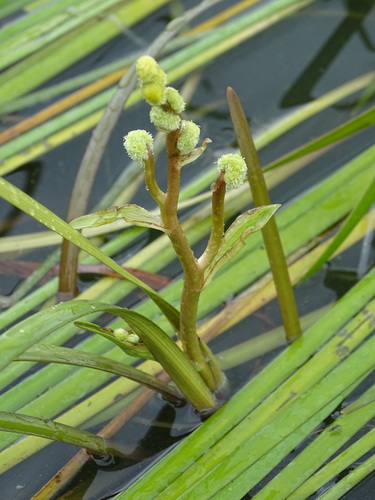
(c) Евгений Беляков, some rights reserved (CC BY-NC)

(c) Eduard Garin, some rights reserved (CC BY-NC)
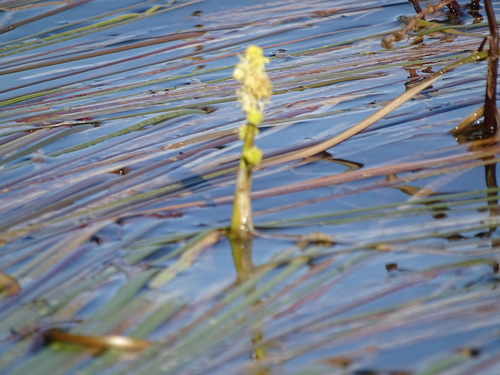
(c) Евгений Беляков, some rights reserved (CC BY-NC)
What to Eat
Edible parts: Seeds
The seed is edible when cooked — it should be husked and well boiled before eating.
Where to Find It
It is a temperate plant.
Asia, China,
How to Identify
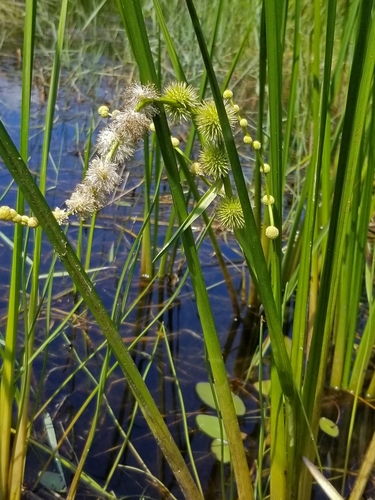
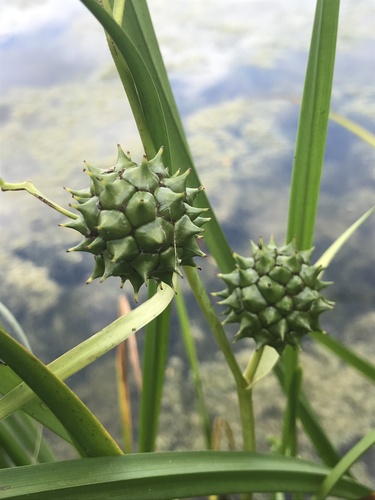
Sparganium longifolium is a perennial with hermaphroditic flowers pollinated by wind. It adapts to light sandy, medium loamy, and heavy clay soils across mildly acid to basic pH ranges. The plant grows in semi-shade or full sun and prefers wet soils or shallow water habitats.
How to Grow
We have very little information on this species and do not know if it will be hardy in Britain, though judging by its native range it could succeed outdoors in many parts of the country. This species does not appear in the first draft of the Flora of China and so it needs further investigation. The following notes are based on the general needs of the genus. A plant of wet ground, it should be grown in a bog garden or in shallow water up to 30cm deep. Requires a rich soil. Tolerates some shade.
Propagation: Seed is best sown as soon as it is ripe in pots in a greenhouse stood in 2–3cm of water. Prick out seedlings into individual pots when large enough to handle, gradually increasing the water depth as they grow until it reaches roughly the top of the pots. Plant out in summer if growth is sufficient, otherwise in the following spring. Divide plants in spring or autumn — larger divisions can go directly into permanent positions, while smaller ones are best potted up and grown on in a lightly shaded cold frame, then planted out once well established in summer.
Medicinal Uses
None known
Other Uses
None known
Wikipedia
Sparganium longifolium is a perennial with hermaphroditic flowers pollinated by wind. It adapts to light sandy, medium loamy, and heavy clay soils across mildly acid to basic pH ranges. The plant grows in semi-shade or full sun and prefers wet soils or shallow water habitats.
References (2)
- Plants for a Future database, The Field, Penpol, Lostwithiel, Cornwall, PL22 0NG, UK. http://www.scs.leeds.ac.uk/pfaf/
- READ,